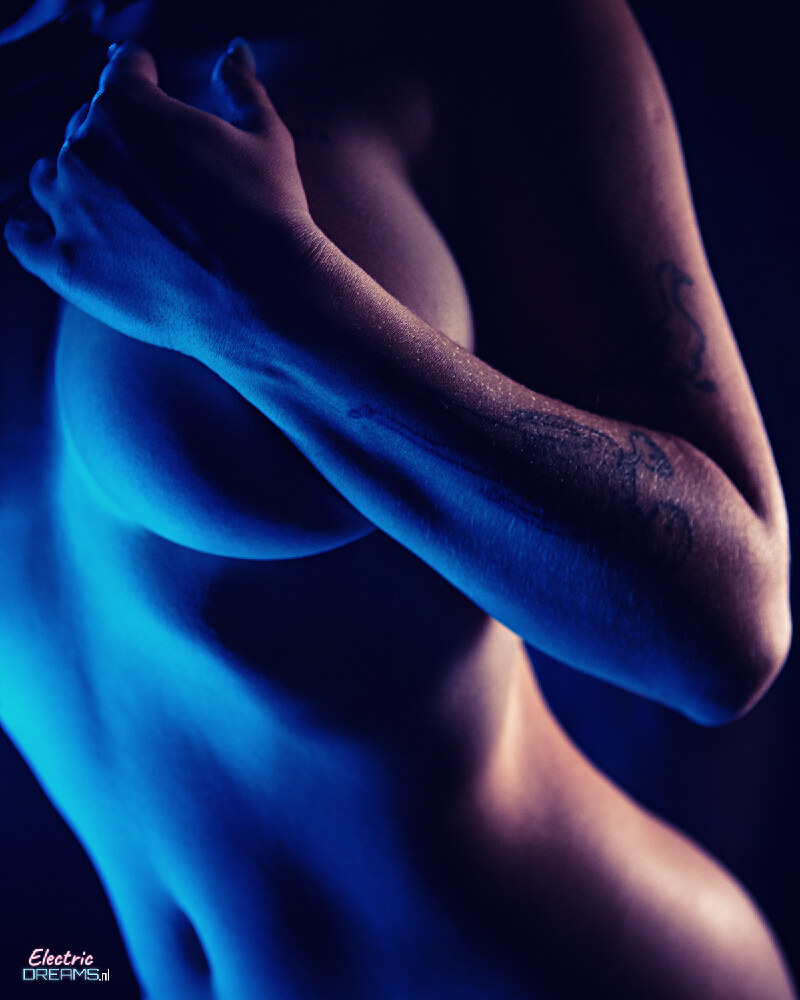
Capturing the human form in a fine art context is both an intimate and profound endeavor. Nude photography transcends mere documentation; it becomes a medium through which artists explore beauty, vulnerability, emotion, and the essence of existence. To approach this genre professionally, one must blend technical mastery with deep artistic sensitivity.
Understanding the Artistic Vision
Before ever touching a camera, the photographer must clarify their artistic intent. Is the goal to celebrate the body's natural forms? To delve into the tension between vulnerability and strength? Or to explore the interplay of light and shadow on human anatomy? Each approach requires distinct techniques and considerations. Begin by studying the works of masters in fine art photography to develop a personal aesthetic and refine your vision.
Building Trust and Professionalism
The relationship between photographer and subject is paramount. Nude photography demands an atmosphere of safety, respect, and mutual artistic purpose. Establishing trust takes time and requires consistent professionalism, clear communication, and sensitivity to the subject's comfort. It is crucial to treat every session as a collaborative artistic process, not merely a technical exercise.
Lighting: The Sculptor's Chisel
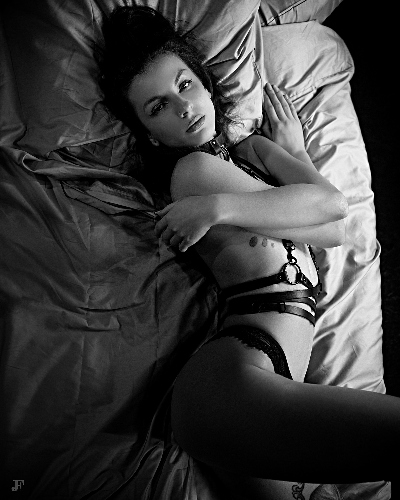
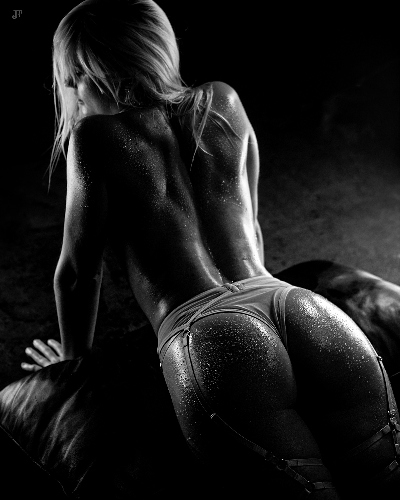
Lighting is arguably the most transformative element in nude photography. Unlike portrait work, nude photography often demands a more nuanced approach to illumination, focusing on how light interacts with the body's contours and textures. Diffused, soft light can create an ethereal, painterly effect, while harder light may emphasize form and structure. Experiment with various light sources, angles, and intensities to achieve the desired mood.
- Use large, soft light modifiers (softboxes, umbrellas) for a flattering, even illumination
- Consider using a single large light source to create subtle shadows and depth
- Experiment with reflectors to sculpt light and fill shadows without losing dimension
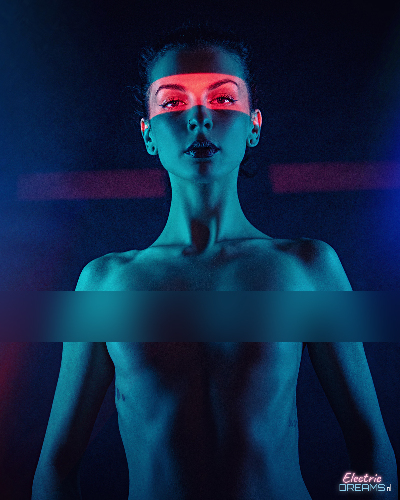
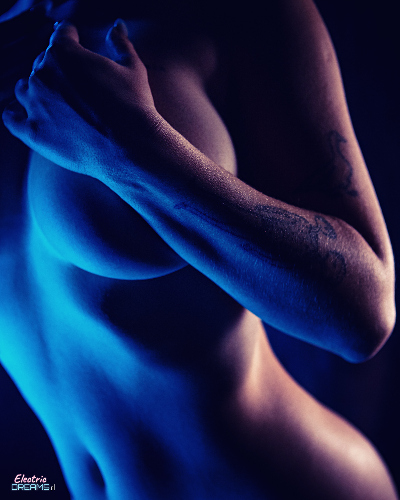
- Utilize colored gels for subtle mood shifts and atmospheric effects
Composition and Framing
Composition in nude photography should be intentional and purposeful. Consider how the frame interacts with the subject's pose and the overall artistic vision. Leading lines, the rule of thirds, and symmetry can all enhance visual impact. Be mindful of the background and how it complements or contrasts with the subject. A carefully curated backdrop can elevate the image without distracting from the human form.
Post-Processing: Enhancing, Not Altering
Post-processing is an integral part of fine art photography. Use tools to enhance the image's emotional resonance and artistic intent, but avoid excessive retouching that masks the natural beauty of the human form. Techniques such as color grading, subtle contrast adjustments, and selective sharpening can bring out the nuances of skin texture and light. Always maintain the integrity of the original image and the collaboration between photographer and subject.
Technical Considerations
- Use high-resolution digital cameras or film for optimal detail capture
- Employ a wide-angle lens for a more immersive perspective when appropriate
- Set a low ISO (100-400) for cleaner images, especially in well-lit conditions
- Use a tripod for stability, especially with slower shutter speeds or when shooting from lower angles
Legal and Ethical Considerations
Professionalism extends to understanding and adhering to legal and ethical standards. Always obtain informed consent from subjects, ensuring they understand how their images will be used and stored. Maintain strict privacy protocols regarding the handling of digital files and images. Familiarize yourself with local laws regarding nudity and photography to avoid any legal complications.
Curating the Final Collection
Not every shot will make the final cut. Select images that best represent your artistic vision and the theme you're exploring. Consider the emotional journey of the series and how each image contributes to the overall narrative. Some images may be more powerful in isolation, while others work better in context. Always ensure the final selection honors the artistic collaboration and the subject's participation.
Continuous Learning and Growth
Like any art form, nude photography requires ongoing study and practice. Attend workshops, seek feedback from peers, and engage with the photographic community. Stay current with new techniques, equipment, and artistic trends. Most importantly, remain open to evolving your own artistic voice and vision. The more you shoot and reflect, the more your understanding and approach will deepen.
Final Thoughts
Shooting fine art nude photography professionally is not merely about capturing an image of the human form; it's about engaging in a profound artistic dialogue between photographer and subject. It requires a delicate balance of technical skill, emotional intelligence, and creative vision. By approaching each session with respect, intentionality, and artistic integrity, photographers can create powerful, evocative works that celebrate the human form in all its complexity and beauty.