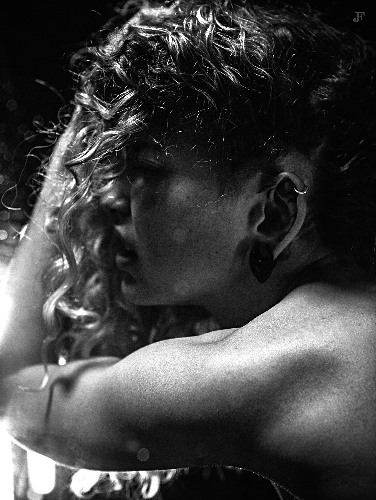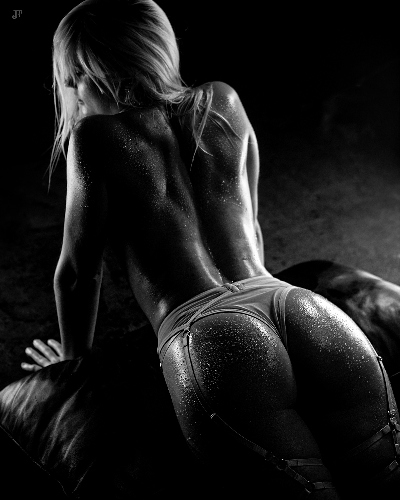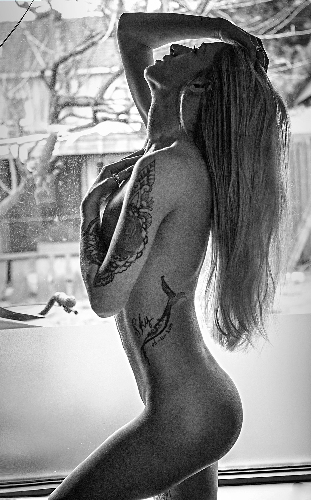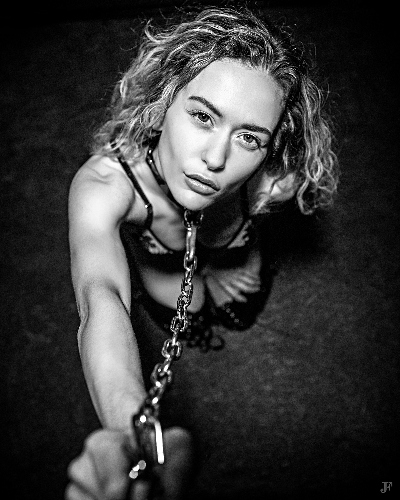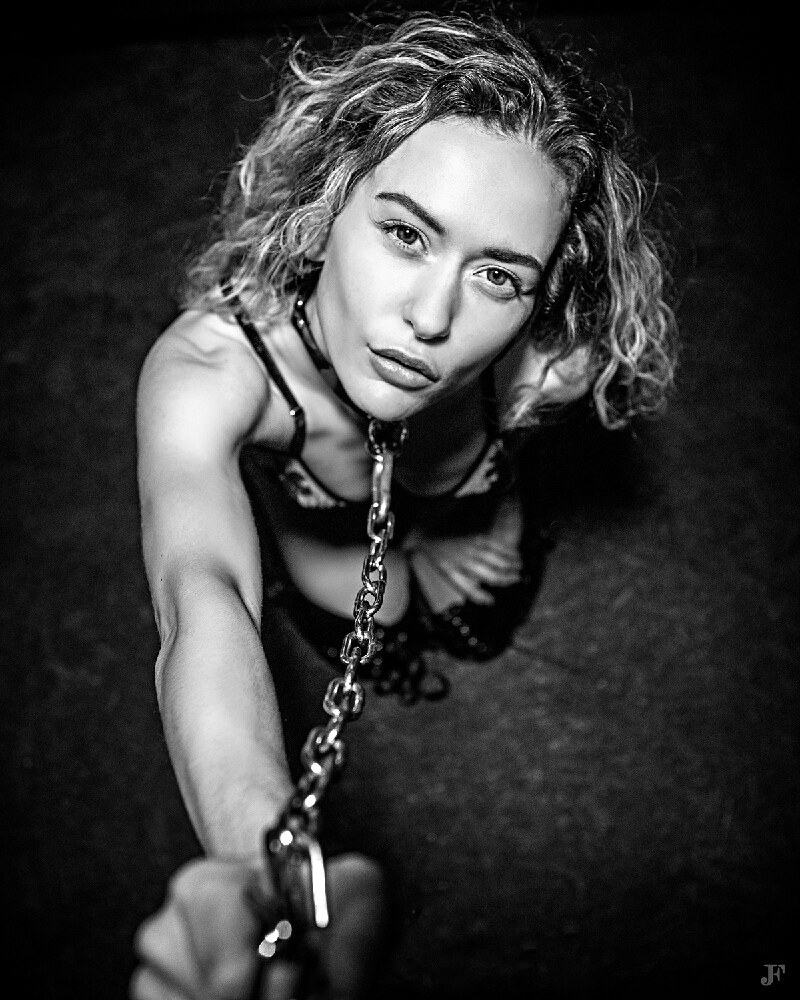
Nude photography occupies a fascinating space in the visual arts, often blurring the lines between eroticism and fine art. As an artist and photographer, I've grappled with these distinctions throughout my career, navigating the delicate balance between sensuality and artistic expression. In this article, I'll explore the nuances that set erotic photography apart from fine art nude photography, examining their goals, techniques, and impact on viewers.
Defining the Boundaries
Before delving into the differences, it's crucial to define what we mean by these terms. Erotic photography aims to provoke sexual desire and arousal, often featuring explicit imagery that appeals to the viewer's sexual fantasies. Fine art nude photography, on the other hand, seeks to celebrate the human form as an aesthetic subject, exploring themes of beauty, vulnerability, and the human condition.
Intent and Purpose
The primary distinction between these two forms lies in their intent. Erotic photography is designed to titillate and arouse, often catering to a specific audience seeking sexual gratification. The subjects may be posed or directed to emphasize certain erotic qualities, with a clear emphasis on sexual appeal.
Conversely, fine art nude photography prioritizes artistic expression over sexual stimulation. The goal is to create a thought-provoking, emotionally resonant image that encourages viewers to contemplate the human form, its beauty, and its complexities. The subject becomes a canvas for artistic exploration, much like any other medium.
Techniques and Approach
While both forms utilize photography to capture the human form, their techniques and approaches differ significantly. Erotic photography often employs techniques that enhance sexual appeal, such as dramatic lighting, strategic posing, and careful composition that draws attention to specific areas of the body.
Finely art nude photography, however, embraces a more diverse range of techniques. Artists may experiment with lighting to create mood and atmosphere, use composition to tell a story or convey emotion, or manipulate post-processing to achieve a desired aesthetic. The focus is on the overall image and its ability to evoke emotion, rather than on explicit sexual content.
- Lighting: Erotic photography may use high-contrast lighting to highlight curves and contours, while fine art nude photography might employ softer, more nuanced lighting to create mood and texture.
- Posing: Erotic photography often features poses that emphasize sexual appeal, while fine art nude photography may use more natural or abstract poses that highlight form and composition.
- Composition: Erotic photography tends to focus on close-ups and intimate perspectives, whereas fine art nude photography may use wider shots, unusual angles, or unconventional framing to create visual interest.
The Role of the Subject
The role of the subject also varies significantly between these two forms. In erotic photography, the subject is often seen as a means to an end, serving the photographer's or viewer's sexual desires. Consent and agency are paramount, but the focus tends to be on the sexual potential of the subject.
In fine art nude photography, the subject is considered an equal collaborator in the artistic process. The photographer seeks to capture the subject's essence, their unique qualities, and their relationship with the medium. The subject's consent and comfort are crucial, but the focus shifts to the subject as an artistic entity in their own right.
Impact and Reception
The impact of these two forms on viewers also differs. Erotic photography often elicits immediate, visceral reactions related to sexual desire and fantasy. While this can be powerful, it may also lead to a more superficial engagement with the medium.
Finely art nude photography invites a more contemplative, introspective response. Viewers are encouraged to look beyond the physical form to consider deeper themes of humanity, vulnerability, and beauty. This can lead to a more profound connection with the work and the subject.
Blurring the Lines
It's worth noting that the boundaries between these forms are not always clear-cut. Many photographers work across multiple genres, and some pieces may contain elements of both erotic and fine art photography. This blurring can be intentional, as artists seek to challenge perceptions and expand the possibilities of the medium.
Conclusion
In conclusion, while erotic photography and fine art nude photography both involve the human form, they serve very different purposes and employ distinct approaches. Erotic photography aims to arouse and stimulate, while fine art nude photography seeks to explore, challenge, and elevate our understanding of beauty and the human condition. As an artist, I find value in both forms, recognizing that they each offer unique opportunities for creative expression and viewer engagement. Ultimately, the distinction lies not in the form itself, but in the intention behind its creation and the message it seeks to convey.
As you navigate the world of nude photography, remember that every photograph tells a story. Whether erotic or artistic, each image offers a window into the photographer's vision and the subject's experience. Approach these works with an open mind, allowing yourself to be moved by their beauty, challenged by their ideas, and perhaps even titillated by their sensuality.