Nude photography, when approached with artistic intent, transcends mere documentation of the human form. It becomes a medium for emotional expression, aesthetic exploration, and visual storytelling. Central to achieving this artistic vision lies the mastery of lighting. In artistic nude photography, lighting serves as both brushstroke and chisel, sculpting the human form, evoking mood, and enhancing the viewer's connection to the subject.
Shaping the Form
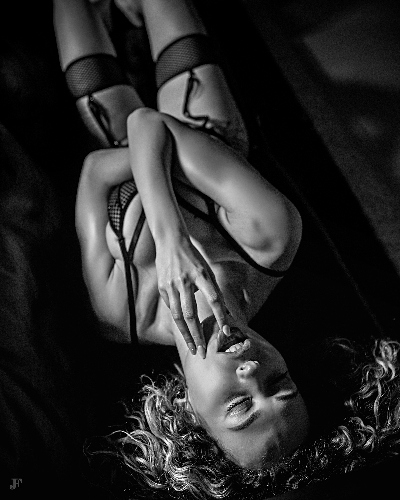
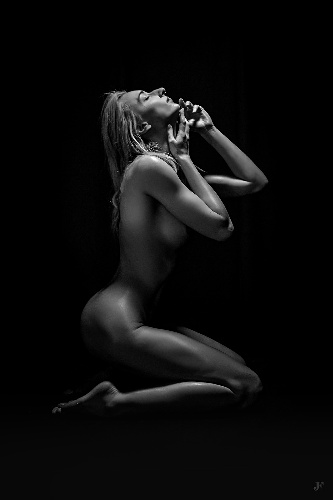
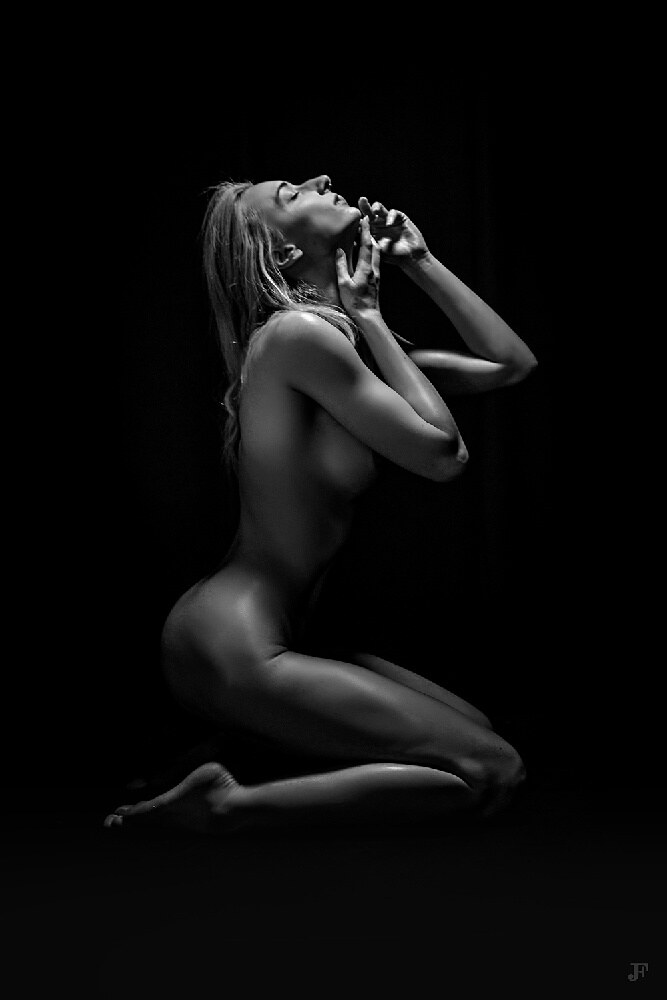
Lighting acts as an invisible sculptor, capable of transforming how we perceive the human body. Soft, diffused light, often achieved with large light sources or bounce cards, creates gentle transitions between highlights and shadows. This technique softens the body's contours, emphasizing its elegance and grace. Conversely, hard, directional light with strong contrast produces bold edges and deep shadows, accentuating musculature, texture, and form.
Artists strategically place light to highlight specific features—perhaps the curve of the shoulder, the line of the spine, or the play of muscle beneath the skin. By manipulating the angle and intensity of light, photographers can create illusions of depth and volume, turning a flat photograph into a three-dimensional exploration of the human form.
Evoking Emotion and Atmosphere
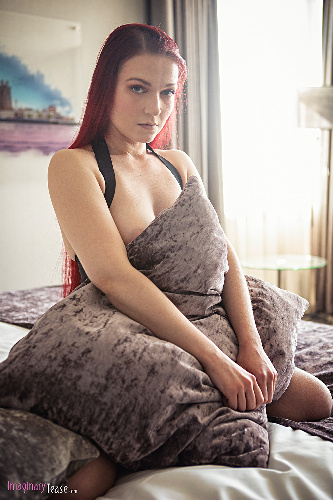
Beyond form, lighting plays a crucial role in setting the emotional tone of a photograph. Warm, golden light can evoke feelings of intimacy, nostalgia, or sensuality, creating a cozy, inviting atmosphere. Cool, blue-toned lighting, on the other hand, might suggest distance, melancholy, or a sense of detachment, adding a layer of emotional complexity to the image.
The direction of light also contributes significantly to mood. Front lighting is often used for its clarity and evenness, suitable for portraiture where the subject's expression and features are paramount. Side lighting adds drama and depth, revealing the body's structure while maintaining a certain softness. Backlighting, with its ethereal glow, can create a halo effect around the subject, imbuing the image with a sense of mystery or transcendence.
Symbolism and Narrative
In artistic nude photography, lighting can be used symbolically to convey deeper meanings. For instance, a beam of light cutting through darkness might represent revelation or enlightenment. The interplay of light and shadow can be employed to create narrative tension, suggesting a story unfolding within the frame.
Lighting can also be used to subvert expectations. Rather than focusing solely on the body, photographers might use dramatic lighting to draw attention to how light interacts with the skin, emphasizing its texture, warmth, or the subtle variations in tone. This approach shifts the focus from the body itself to the visual experience it creates.
Technical Considerations
While the artistic intent is paramount, technical proficiency in lighting is essential to achieving the desired effect. Photographers must understand concepts such as exposure, aperture, shutter speed, and ISO, adjusting these settings to work harmoniously with their chosen lighting setup.
Understanding the properties of different light sources—natural versus artificial, continuous versus strobe—is crucial. Natural light offers a unique quality that is often hard to replicate, but artificial lighting provides greater control over the final result. The use of modifiers such as softboxes, reflectors, and diffusers allows photographers to tailor the quality of light to their specific needs.
Post-processing also plays a significant role in refining the lighting effect. Digital editing tools can be used to enhance contrast, adjust color balance, or selectively brighten or darken areas of the image, further shaping the photograph's emotional impact.
Conclusion
Lighting in artistic nude photography is far more than a technical consideration; it is a fundamental element of artistic expression. It transforms the human form into a canvas for visual storytelling, capable of evoking emotion, revealing beauty, and challenging perceptions. By mastering the art of lighting, photographers can create nude photographs that are not only visually stunning but also deeply resonant, offering viewers a profound connection to the human experience.
In the end, the most compelling nude photographs are those that use lighting not to merely capture the body, but to illuminate the soul—revealing not just what we see, but what we feel and what we may not have known was there all along.