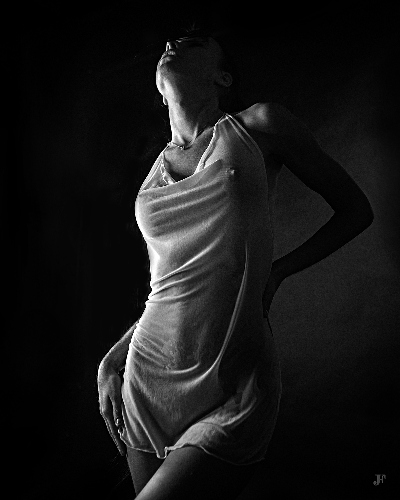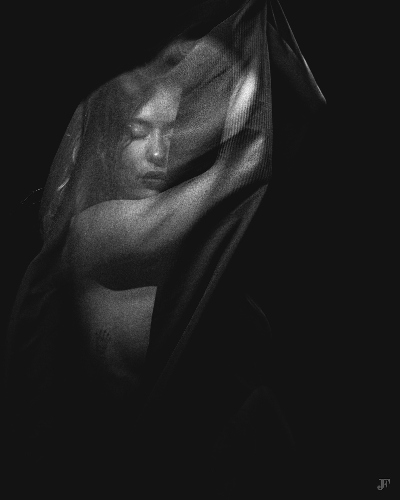
Welcome to the world of black and white photography, where light and shadow create emotional depth and timeless beauty. In this article, we explore the sensual art of black and white portraiture, revealing how monochrome can transform ordinary moments into evocative, emotive experiences.
The Power of Contrast
Black and white photography thrives on contrast, and this contrast is key to emotional portraiture. When you strip away color, you're forced to rely on tonal variations, light patterns, and the interplay between highlights and shadows. This forces your subject to become more than just a face—it becomes a landscape of emotion.
Consider the eyes, often called the windows to the soul. In monochrome, these features can take on a heightened intensity. A single tear welling up might become a dramatic dark smudge, while the surrounding skin could be rendered in delicate light tones. This stark contrast draws the viewer's attention to the raw emotion being expressed.
Lighting: The Emotive Palette
Lighting is where black and white photography truly shines—in more ways than one. The absence of color means that light becomes the primary tool for shaping emotion. Soft, diffused light can create a gentle, tender atmosphere, while harsh, directional light can convey intensity or drama.
The position of your light source can be particularly telling. Side lighting can reveal subtle facial contours, emphasizing a cheekbone or jawline in ways that full frontal lighting might miss. This can add a sense of mystery or intrigue to your subject. Backlighting can create a halo effect, lending a spiritual or ethereal quality to your portrait.
Remember, in black and white, every shade of gray tells a story. A gradient from deep black to bright white can represent everything from despair to hope, from sadness to joy. It's up to you, the photographer, to guide the viewer through these tonal shifts and let them interpret the emotions unfolding before them.
The Art of Negative Space
Black and white photography allows you to embrace the negative space—the empty areas around your subject. These spaces can be just as important as your subject themselves in conveying emotion.
Consider a portrait of a solitary figure against a vast, dark background. The isolation can evoke feelings of loneliness or introspection. Conversely, a subject framed by ample light-filled space might suggest freedom or openness. The key is to use negative space intentionally, letting it complement and enhance the emotional message of your portrait.
Don't be afraid to leave some areas completely black. In black and white, darkness can be just as meaningful as light. It can represent mystery, depth, or even protection. When used sparingly and purposefully, it can create a powerful emotional impact on your viewer.
Texture and Detail
One of the beauties of monochrome photography is how it emphasizes texture. In black and white, you can capture the subtle nuances of skin, fabric, and environment in ways that color photography sometimes misses.
Close-up shots of hands, perhaps clasped in prayer or resting gently, can reveal the lines and creases that tell stories of a life lived. The way light catches on these textures can convey everything from tenderness to strength. Similarly, the folds in clothing or the grain of a wooden surface can add layers of meaning to your portrait, enriching the emotional context.
When you choose to photograph your subject in black and white, you're essentially stripping away distractions to focus on what truly matters—the human experience, the emotions, the connections between people and their environments.
Embracing Imperfection
Black and white photography has a way of embracing imperfection. In color, we often strive for flawless skin and perfect lighting. In monochrome, these flaws can become part of the beauty of the portrait.
A smudge of foundation, a stray hair across the forehead, or the subtle way wrinkles form around the eyes—all these can add authenticity and vulnerability to your subject. They remind us that these are real people, experiencing real emotions in their raw, unfiltered form.
Consider the effect of grain in black and white film. A subtle grain can add a tactile quality to your images, reminding viewers of the physical medium they're looking at. This can create a sense of nostalgia or timelessness, reinforcing the emotional impact of your portrait.
Conclusion
Black and white photography for emotional portraiture is not just about technical skill—it's about emotional intelligence. It requires you to truly see your subject, to understand their essence, and to translate that into a visual language that speaks across time and culture.
As you embark on this journey, remember that every tonal shift, every light pattern, every texture you capture is a brushstroke in the emotional portrait you're creating. Approach each photograph with intentionality, with sensitivity, and with a deep appreciation for the human experience. Let your black and white images speak volumes about the complex, beautiful world of human emotion.