In the realm of photography, few genres evoke as much intrigue and discussion as nude photography. Yet, not all nude photography is created equal. Two distinct subgenres often get conflated: artistic nude photography and glamour photography. While both celebrate the human form, their intentions, techniques, and outcomes diverge significantly.
The Essence of Artistic Nude Photography
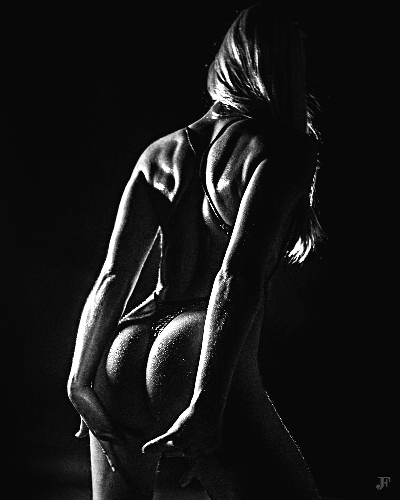
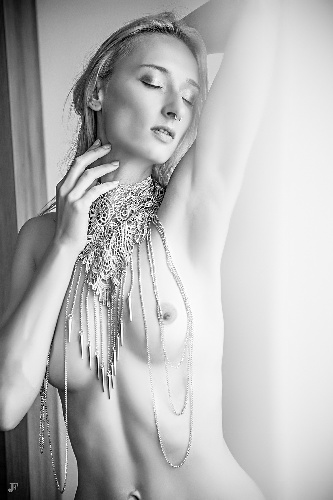
Artistic nude photography seeks to transcend mere representation, aiming instead to capture the intrinsic beauty, vulnerability, and complexity of the human form. It approaches the subject with a lens of artistic intent, often prioritizing composition, lighting, and emotion over commercial appeal.
- Emphasis on form and composition: Artistic nude photography frequently employs unconventional angles, cropping techniques, and framing to challenge the viewer's perception of the human body. This might include abstract compositions, geometric arrangements, or asymmetrical layouts that highlight the body's lines and shapes in unexpected ways.
- Intentional emotion: Photographers in this genre often work closely with their subjects to evoke specific emotional states, aiming to convey vulnerability, strength, or introspection through body language and expression.
- Minimalist approach: Artistic nude photography tends to strip away distractions, focusing solely on the subject. This often means stark backgrounds, limited color palettes, or monochromatic tones to ensure the viewer's attention remains fixed on the human form.
Examples of this approach can be seen in the works of photographers like Irving Penn, whose black-and-white nudes emphasize the elegance of the human form through stark lighting and minimal composition, or the sensual, light-filled portraits of Annie Leibovitz, who captures the emotional depth within each subject.
The Aesthetic of Glamour Photography
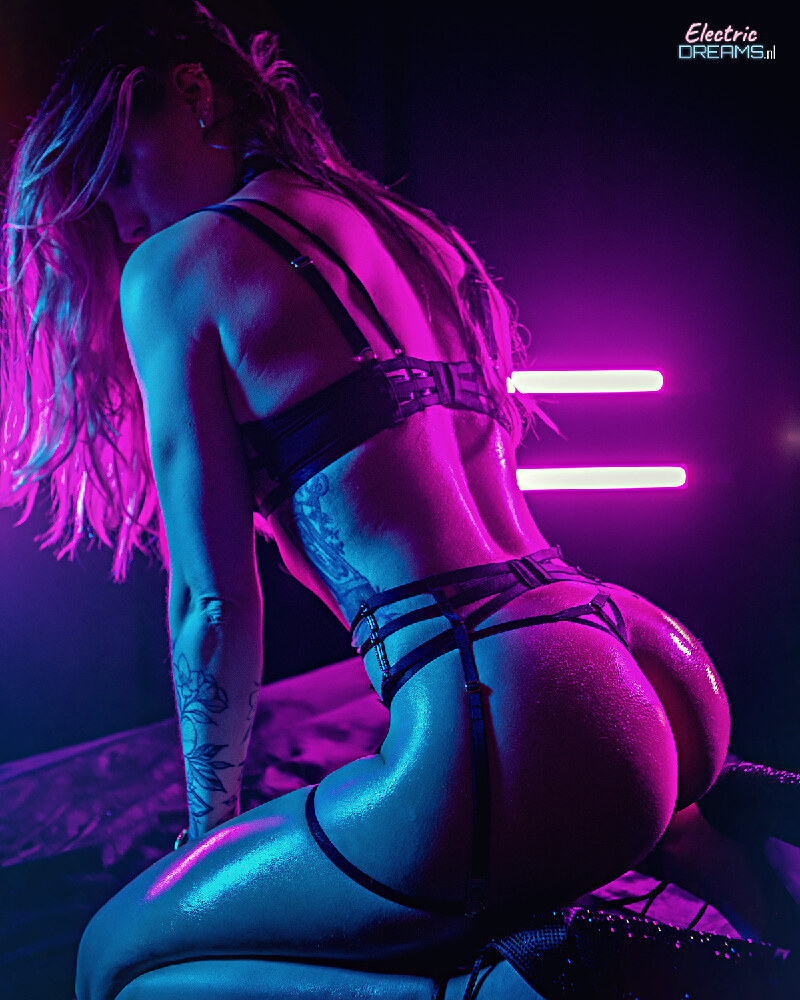
Glamour photography, by contrast, is primarily concerned with commercial appeal and the creation of an idealized, often seductive, representation of beauty. Its primary audience is the consumer market, where it serves to sell fashion, beauty products, or lifestyle concepts.
- Perfection and polish: Glamour photography typically employs retouching, lighting, and styling to create an idealized version of beauty. Subjects are often styled with specific fashion or beauty trends, their hair and makeup meticulously arranged.
- Posed and directed: While artistic nude photography may embrace spontaneity or captured moments, glamour photography relies heavily on directed poses and carefully choreographed scenes to create a sense of allure and desirability.
- Commercial intent: The primary goal of glamour photography is not to provoke thought or emotion but to create an appealing product for sale. This is evident in the way subjects often adopt poses that emphasize specific physical attributes or fashion elements.
Famous examples include the work of Richard Avedon, known for his striking, high-contrast images that pushed the boundaries of beauty, or the more contemporary, sleek aesthetics of photographers like Tim Walker, whose images for Vogue often blend fantasy with high fashion.
The Interplay of Light, Color, and Composition
While both genres utilize these elements, they do so with vastly different intentions. Artistic nude photography often plays with light to create mood, emotion, or to highlight subtle textures of the skin. Lighting may be harsh to emphasize form or soft to evoke intimacy. Color, when used, is often carefully chosen to enhance the emotional resonance of the image.
Glamour photography, however, tends to use light to create an idealized, almost ethereal glow. Color palettes are typically vibrant and harmonious, designed to complement the subject's skin tones and the clothing being showcased. Composition often follows classical principles of balance and symmetry to create a sense of harmony and perfection.
The Role of the Subject
The relationship between photographer and subject also differs significantly. In artistic nude photography, there's often a deeper collaboration, with the subject's input and personal story being integral to the final piece. This can lead to images that are deeply personal and reflective.
In glamour photography, while subjects may be respected professionals, the focus remains on their ability to embody a certain ideal or concept. This doesn't mean glamour photography lacks artistry, but rather that its artistry lies in its ability to construct and sell beauty, not necessarily in its ability to reveal truth or evoke deeper emotions.
The Impact on Society
The influence of these two genres on society also diverges. Artistic nude photography has played a crucial role in challenging societal norms and pushing the boundaries of what is considered beautiful or acceptable in art. It often contributes to conversations about body positivity, diversity, and the human experience.
Glamour photography, while influential in shaping beauty standards, has also been criticized for perpetuating unrealistic ideals. Its commercial nature means it often reflects and reinforces existing cultural norms rather than challenging them.
Conclusion
In essence, artistic nude photography and glamour photography represent two sides of the same coin: the celebration of the human form. While they both use the nude body as a canvas, their objectives, methods, and impacts are worlds apart. Understanding this distinction not only enriches our appreciation of photography but also deepens our understanding of how we perceive and value beauty in our culture.
Both genres, when executed with skill and intention, can produce breathtaking, thought-provoking work. The key lies in recognizing their different purposes and appreciating the unique contributions each makes to the broader landscape of visual art and culture.