Nude photography, often met with judgment and controversy, stands as a cornerstone of artistic expression in visual arts. When approached with sensitivity and intentionality, artistic nude photography transcends mere representation to become a profound medium of self-expression, human connection, and aesthetic beauty. This form of visual art challenges perceptions, celebrates the human form in its most authentic state, and invites viewers to see beyond surface appearances into the deeper realms of emotion, vulnerability, and beauty.
The Aesthetic Dimension
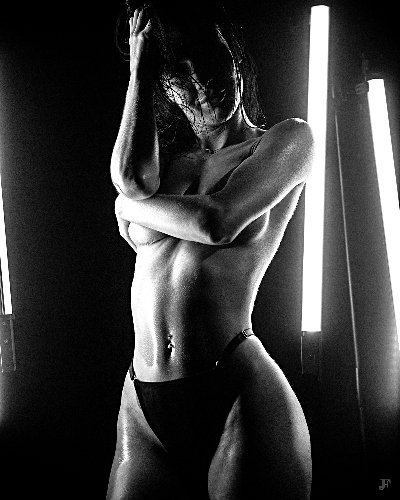
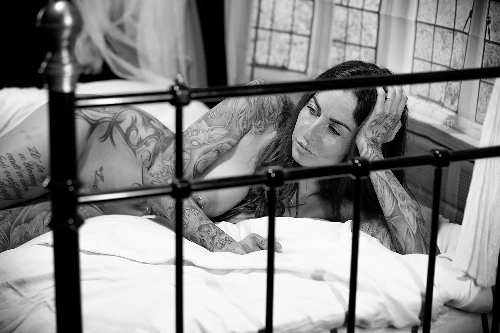
At its core, artistic nude photography seeks to capture the human body in all its natural glory. Far from explicit, it aims to celebrate the form, texture, and nuances of the human figure through meticulous composition, lighting, and post-processing. The careful selection of poses, angles, and environments allows artists to highlight the body's intrinsic beauty, often revealing a poetic quality in the way light interacts with skin, muscle, and bone.
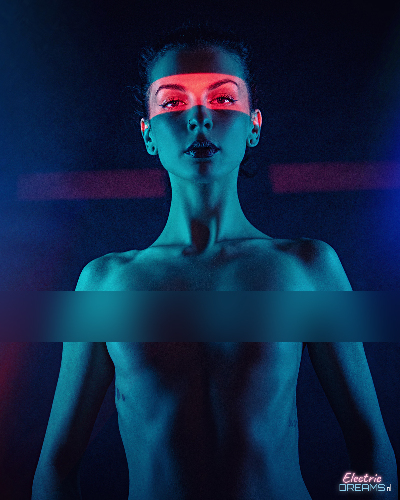
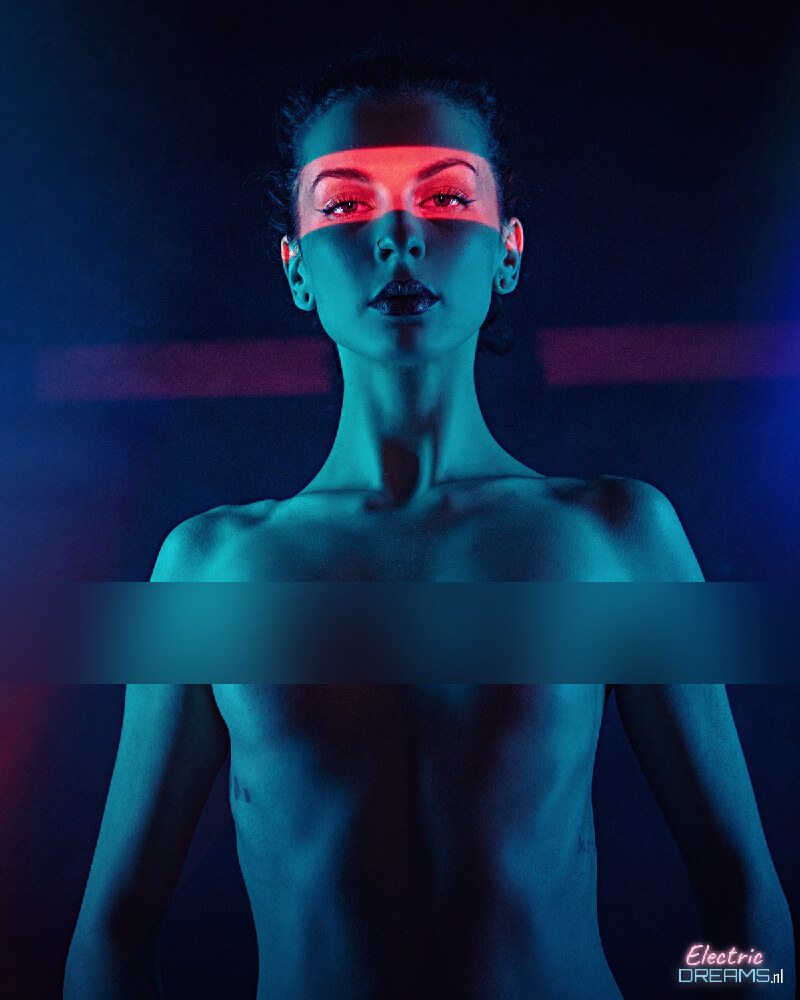
Lighting plays a crucial role in this aesthetic exploration. Soft, diffused light can create an ethereal glow, while dramatic chiaroscuro can emphasize contours and depth. The choice of environment—whether it's the stark minimalism of a studio, the organic textures of a forest, or the urban decay of an abandoned building—adds layers of meaning to the work. These elements combine to create compositions that are not merely visually striking but intellectually stimulating, encouraging viewers to contemplate the relationship between form and space.
Emotional and Psychological Exploration
Artistic nude photography serves as a powerful vehicle for emotional and psychological expression. By stripping away the distractions of clothing, it allows both the subject and the viewer to connect with the body as a vessel of feeling and identity. The vulnerability inherent in nudity becomes a canvas for exploring complex emotions—joy, melancholy, strength, fragility, desire, and acceptance.
For the artist, the process of creating nude photography can be deeply therapeutic. It often involves building trust and rapport with the subject, fostering a collaborative environment where the model feels empowered and respected. This symbiotic relationship can lead to some of the most authentic and emotionally resonant images possible. The resulting photographs become not just representations of the human form but intimate portraits of the inner worlds of the individuals involved.
For the viewer, these images can serve as catalysts for self-reflection and emotional growth. They encourage a reevaluation of societal norms and judgments surrounding the human body, promoting a more nuanced understanding of beauty and identity. The subtlety and elegance of artistic nude photography can provoke thoughtful consideration rather than immediate reaction, leading to more meaningful engagements with the work.
Historical Context and Evolution
The history of nude photography is rich and complex, evolving significantly over time. From early pioneers like Julia Margaret Cameron and Alfred Stieglitz to contemporary artists, nude photography has continually pushed boundaries and challenged conventions. This evolution reflects broader societal shifts in how we perceive and value the human body.
In the late 19th and early 20th centuries, nude photography often carried a rebellious charge, challenging the prudish norms of the time. Today, it exists within a more nuanced cultural landscape, where artists strive to balance artistic integrity with social responsibility. This evolution underscores the importance of context in understanding and appreciating nude photography as a form of fine art.
Contemporary artists employ diverse approaches to nude photography, from traditional film techniques to cutting-edge digital methods. Some focus on the body's natural imperfections, celebrating diversity and challenging beauty standards. Others explore conceptual themes, using nudity to address issues such as identity, memory, and social justice. This diversity in approach ensures that artistic nude photography remains a vibrant and evolving field.
Technical Mastery and Creative Vision
Creating compelling nude photography requires a delicate balance of technical skill and creative vision. Artists must master the technical aspects of their medium—whether it's understanding aperture, shutter speed, and ISO in photography, or mastering editing software in digital art. Yet, this technical prowess serves the broader goal of realizing the artist's vision.
Composition is paramount. The arrangement of elements within the frame, the use of negative space, the choice of focal points—all these contribute to the overall impact of the image. Lighting techniques are crucial in shaping the perception of form and texture. Post-processing can enhance these elements, but it should never overshadow the authenticity of the subject.
Ultimately, artistic nude photography is about creating something greater than the sum of its parts. It's about telling stories, evoking emotions, and provoking thought through the universal language of visual art. When executed with respect and intentionality, this form of photography becomes a powerful tool for exploring the human condition in all its complexity and beauty.
Conclusion
Artistic nude photography is not merely a genre; it is a profound expression of human creativity and connection. Far from being vulgar or exploitative, it celebrates the body as a complex and beautiful aspect of human existence. Through careful composition, emotional depth, and technical mastery, artists create works that challenge perceptions, foster self-reflection, and elevate the human form to the status of fine art.
As we continue to evolve as a society, our understanding and appreciation of artistic nude photography will likely grow. It remains an essential form of artistic expression, one that encourages us to see the world—and ourselves—with greater sensitivity and appreciation. In a world often dominated by superficial judgments, artistic nude photography reminds us of the profound beauty and complexity inherent in the human form, inviting us to engage with art in a more meaningful and respectful manner.