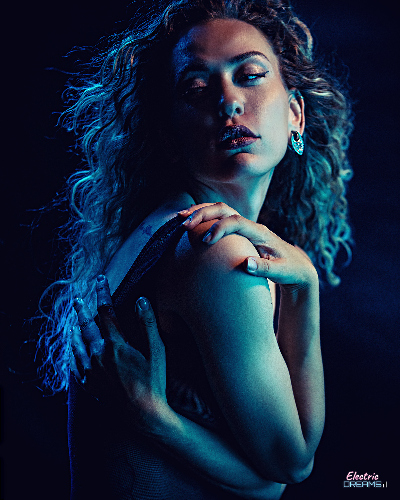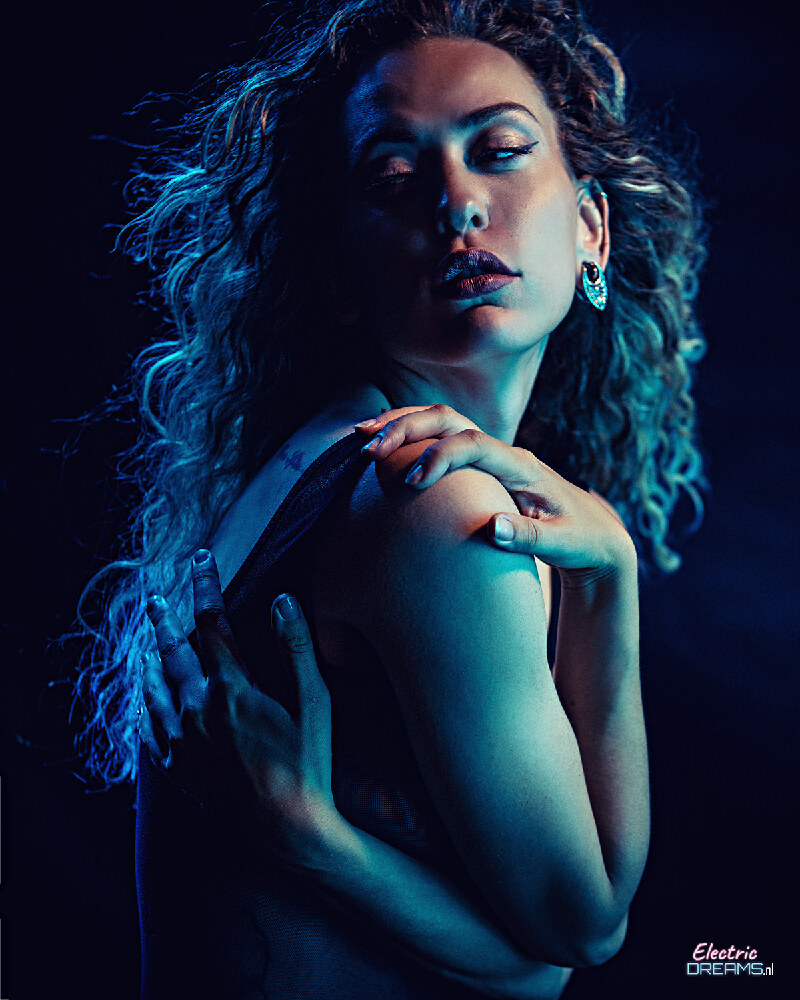
Photography holds a unique power to capture the essence of human emotion, revealing depths often hidden from the casual observer. It is a medium that can simultaneously expose vulnerability and project confidence, creating images that resonate on multiple levels. In this exploration, we delve into how the art of photography can capture these contrasting yet complementary states, transforming ordinary moments into profound visual narratives.
The Art of Vulnerability
Vulnerability in photography often manifests through raw, unguarded moments. These images may feature subjects in states of physical or emotional openness, where defenses are lowered and authenticity prevails. A photographer who approaches their subject with empathy and patience can capture the subtle nuances of vulnerability that define the human experience.
Lighting plays a crucial role in conveying vulnerability. Soft, diffused light can create a gentle glow around the subject, enhancing the sense of fragility. Shadows may be used strategically to reveal inner emotional landscapes without overwhelming the viewer. The choice of color palette also influences the perception of vulnerability, with muted tones often evoking a sense of intimacy and closeness.
Confidence Through Composition
Confidence in photography is often expressed through strong composition and deliberate framing. A well-composed image can convey assurance, poise, and self-assurance even in the absence of overt gestures. The use of leading lines, symmetry, or geometric shapes can create a sense of stability and control within the frame.
Body language is another key indicator of confidence. Photographers skilled in capturing natural poses can reveal a subject's inner strength through subtle details – the tilt of the head, the position of the hands, or the angle of the shoulders. Facial expressions also play a significant role, with confident subjects often displaying relaxed features and steady eye contact with the lens.
The Interplay of Vulnerability and Confidence
Perhaps the most compelling photographs are those that capture the delicate balance between vulnerability and confidence. These images often show subjects who are open and authentic without appearing weak or uncertain. The interplay creates a complex, multi-dimensional portrait that invites viewers to engage more deeply with the subject.
Consider a photograph of a dancer mid-movement: the body may be suspended in a vulnerable position, yet the posture conveys a sense of control and mastery. Or imagine a portrait of an elderly person: wrinkles may reveal a lifetime of experiences, but the gaze exudes wisdom and quiet strength. These images capture the essence of human complexity, where vulnerability and confidence coexist.
The Role of the Photographer
The photographer's intent and approach are critical in capturing these dual states. A photographer who approaches their subject with respect and empathy creates an environment where vulnerability can be safely expressed. This trust allows the subject to be open, while the photographer's skill ensures that confidence is not lost in the process.
Patience is another essential quality. Capturing vulnerability often requires multiple attempts, as the subject may need time to feel comfortable. Observation skills allow the photographer to recognize subtle cues that indicate a subject's comfort level, enabling them to adjust their approach accordingly. Finally, technical proficiency ensures that the photographer can capture fleeting moments of vulnerability with the clarity and detail needed to convey depth and emotion.
Case Studies
To illustrate these concepts, let's consider a few notable examples:
- Ansel Adams' landscape photography often captures the raw vulnerability of nature, yet conveys a sense of enduring confidence in the face of elemental forces
- Sally Mann's intimate portraits balance vulnerability and confidence, revealing the complexity of human relationships
- Richard Avedon's fashion photography combines the vulnerability of human form with the confidence of high fashion, creating images that are both sensual and powerful
- Helmut Newton's work often challenges traditional notions of beauty, capturing vulnerability in forms that might seem intimidating, yet exuding confidence in their presentation
The Impact on the Viewer
Photographs that successfully capture both vulnerability and confidence create a profound impact on the viewer. They invite us to look beyond surface appearances and engage with the deeper truths of the human experience. These images can challenge our preconceptions, evoke empathy, and inspire confidence in ourselves and others.
Emotional resonance is key; the right photograph can make viewers feel seen and understood. Memorability is another important aspect; images that capture these dual states often leave a lasting impression, long after they've been viewed. Finally, inspiration – photographs can motivate viewers to embrace their own vulnerabilities and find confidence in their unique experiences.
Practical Tips for Aspiring Photographers
For those interested in capturing vulnerability and confidence in their own work, here are some practical tips:
- Build trust: Establish a rapport with your subjects before attempting to capture vulnerable moments.
- Observe: Spend time with your subject, noting their natural behaviors and body language.
- Be patient: Some moments may require multiple attempts to capture effectively.
- Study light: Experiment with different lighting conditions to enhance the mood you're trying to convey.
- Practice composition: Master the fundamentals of visual composition to create confident, structured images.
The Evolution of Photographic Portraiture
As photography has evolved, so too has our understanding of how to capture vulnerability and confidence. Digital technology has democratized photography, allowing more diverse voices to be heard. Social media has created new platforms for self-expression, challenging traditional notions of what constitutes a confident or vulnerable image.
AI and machine learning are beginning to influence photographic practices, with algorithms helping to enhance or alter images to emphasize certain qualities. While these technologies raise ethical questions, they also offer new ways to explore and express vulnerability and confidence in the digital age.
Conclusion
In conclusion, photography stands as a powerful medium for capturing the complex interplay between vulnerability and confidence. Through careful composition, thoughtful use of light and color, and a deep understanding of human emotion, photographers can create images that resonate on multiple levels. These photographs not only document the human experience but also inspire, challenge, and transform those who view them.
As we continue to explore the depths of human emotion through photography, we are reminded of our shared humanity – the beautiful, complex tapestry of vulnerability and confidence that defines us all.