Nude photography transcends mere documentation; it becomes a canvas for emotion, a medium through which photographers breathe life into form. In artistic nude portraits, the absence of clothing serves as a gateway to vulnerability, sensuality, and raw human expression. Professional photographers master the art of creating mood—transforming simple nudity into evocative, emotive works that resonate deeply with viewers.
Understanding the Essence of Mood in Nude Photography
Mood is the invisible thread that weaves together light, composition, expression, and posture. Unlike documentary photography, artistic nude portraits prioritize atmosphere over accuracy. The goal is not to capture anatomy, but to capture essence. Photographers achieve this by immersing themselves in the subject's emotional landscape, then translating it into visual language.
The Role of Lighting in Mood Creation
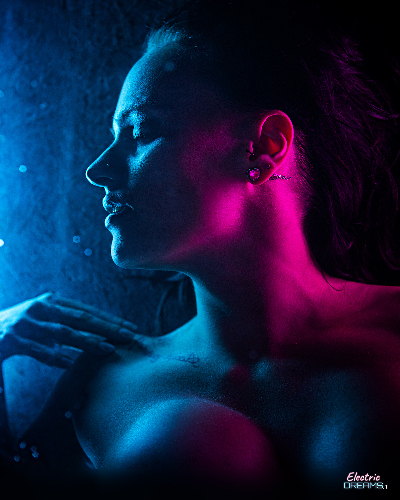
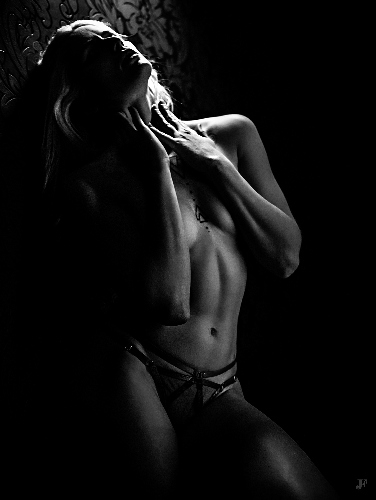
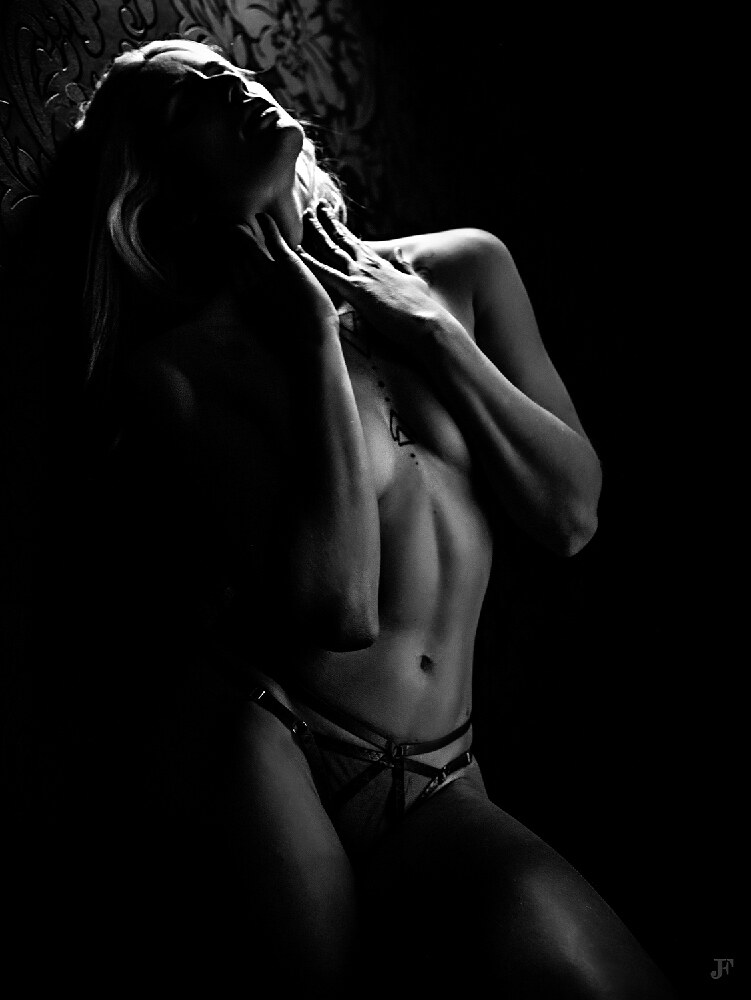
Lighting is arguably the most powerful tool in a photographer's arsenal for creating mood. Soft, diffused light evokes intimacy and gentleness, often used in portraits that aim to convey vulnerability or tenderness. Conversely, dramatic chiaroscuro—the interplay of light and shadow—can create tension, mystery, or passion.
For example, Rembrandt lighting, with its distinctive triangular shadow on the subject's cheek, adds depth and emotion to the face. Photographers may use reflectors to soften harsh shadows or create specific patterns that guide the viewer's eye across the body. The choice of light source—whether natural (like golden hour sunlight) or artificial (such as tungsten or LED panels)—also influences the mood significantly.
Composition and Framing: Guiding the Emotional Journey
Composition plays a crucial role in shaping how viewers interpret a nude portrait. Tight framing, cropping close to the body, can create a sense of confinement or intimacy, drawing attention to subtle details like the curve of a shoulder or the texture of skin. Wide-angle shots, in contrast, may convey freedom or expansiveness, depending on the subject's pose and the surrounding environment.
Diagonal lines in composition can suggest movement and dynamism, while circular forms often convey harmony and wholeness. The rule of thirds, golden ratio, and other compositional guidelines are not rigid constraints but flexible tools that help photographers create balanced yet engaging images.
Posture and Expression: The Body as Emotional Language
The human body is a complex language of emotion. A professional photographer knows how to read and guide these non-verbal cues. A subject's posture—whether relaxed, tense, curved, or upright—can tell a story without a single word. A gentle arch of the back might suggest openness and vulnerability, while a straight posture could convey strength or defiance.
Facial expressions are equally crucial. Even subtle micro-expressions—tightened lips, narrowed eyes, a slight furrow in the brow—can convey a wealth of emotion. Photographers often spend considerable time with their subjects, building rapport and trust, to capture authentic expressions that feel natural and unforced.
Color and Tone: The Emotional Palette
The choice of color temperature and saturation can dramatically alter the mood of a nude portrait. Warm tones (yellows, oranges, reds) tend to evoke warmth, passion, and intimacy. Cool tones (blues, greens, purples) often suggest calmness, detachment, or melancholy.
Desaturation can create a timeless, almost classical feel, while vibrant colors might enhance the sensuality or energy of the portrait. Photographers carefully select their color grading techniques to ensure that every hue complements the overall mood they wish to convey.
Storytelling: Connecting with the Viewer
Every artistic nude portrait should tell a story, even if it's a silent narrative. Professional photographers often collaborate with their subjects to explore themes, emotions, or concepts that resonate with both parties. This process of co-creation allows the photographer to approach the nude portrait not as a mere technical exercise but as a form of emotional expression and connection.
The portrait becomes a bridge between the subject's inner world and the viewer's imagination, inviting contemplation and empathy. The best nude photographs don't just show the body—they reveal something about the soul behind it.
Technical Mastery: The Foundation of Artistic Expression
While mood creation is paramount, technical skill remains the foundation of professional nude photography. Photographers must master exposure, focus, depth of field, and image quality to ensure that every detail of the human form is captured with precision and beauty.
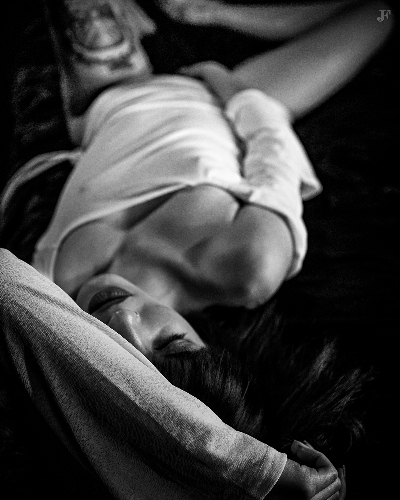
Sharpness is crucial for highlighting the texture of skin, the subtle interplay of muscles, and the delicate features of the face. However, photographers may also intentionally use shallow depth of field to blur the background, drawing attention to the subject's eyes or a specific part of the body. These technical choices must always serve the emotional intent of the portrait.
Respect and Consent: The Ethical Foundation
Creating artistic nude portraits requires a deep sense of respect for the human form and the subjects who participate in these collaborations. Professional photographers understand that nudity, while an artistic medium, is inherently vulnerable and intimate. They work tirelessly to ensure that every subject feels safe, valued, and empowered throughout the creative process.
Consent is not a one-time agreement but an ongoing dialogue. Photographers regularly check in with their subjects, ensuring that the work being created aligns with the subject's comfort levels and artistic goals. This ethical approach not only protects the subjects but also elevates the quality of the final images, as genuine trust and mutual respect contribute to more authentic and emotionally resonant results.
Conclusion: The Alchemy of Artistic Nude Portraits
In the realm of artistic nude photography, the line between technique and emotion blurs. Professional photographers possess the technical expertise to capture the human form with stunning precision, yet they wield this skill to evoke profound emotional responses. Through careful consideration of lighting, composition, posture, expression, color, and storytelling, they transform the naked body into a vehicle for human emotion and artistic expression.
The resulting portraits are not merely images; they are experiences. They invite viewers to see the body not as an object to be observed, but as a vessel of emotion, a canvas of the soul. In this delicate balance of form and feeling, professional photographers create works that resonate long after the shutter has clicked, leaving a lasting impact on those who encounter them.