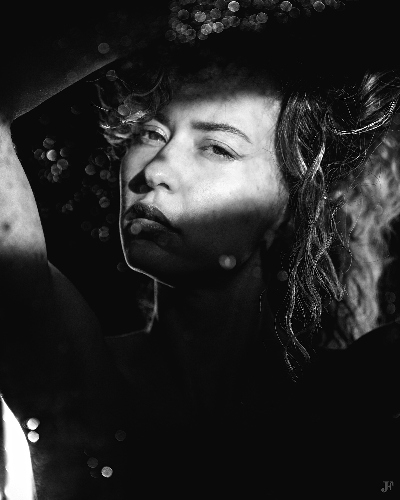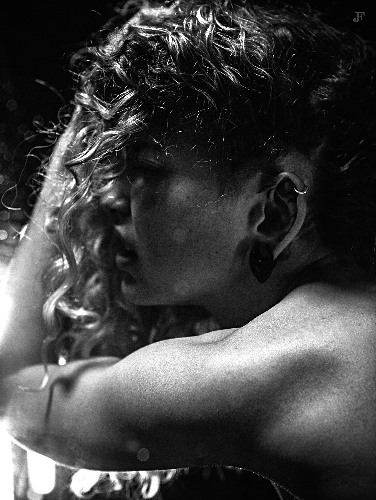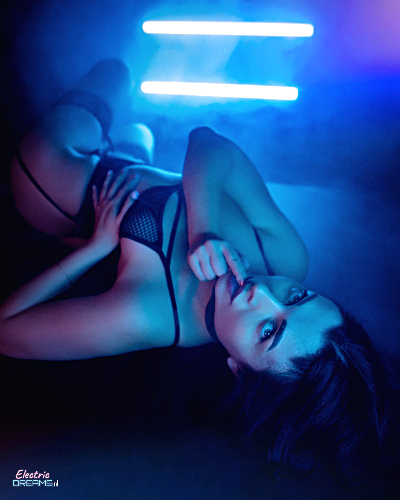
Working with nude models can be a rewarding experience for any artist, but it requires patience, sensitivity, and clear communication. When working with inexperienced models, it's essential to create a safe, respectful environment that encourages artistic expression while respecting the model's boundaries and comfort levels. This guide will walk you through the key principles and techniques for effectively directing nude models, ensuring a positive experience for both the artist and the model.
Creating a Safe and Respectful Environment
The foundation of any successful nude modeling session is trust and mutual respect. Before beginning work, it's crucial to establish a comfortable atmosphere where the model feels safe and valued.
- Conduct a brief interview to understand the model's background, experience level, and any concerns they may have
- Discuss and agree upon boundaries and limits before starting the session
- Ensure the model feels comfortable in their own skin and has the option to stop or pause at any time
- Create a private, secure space free from interruptions and distractions
- Provide basic nudity guidelines to the model before the session begins
Building a strong rapport with your model is essential for creating compelling artwork. Take time to engage in light conversation, allowing the model to get comfortable and feel at ease in your presence.
Establishing Clear Communication
Effective communication is the key to successful nude modeling. Before beginning, establish a system for giving directions and receiving feedback from your model.
- Use simple, specific language to describe poses and body positions
- Encourage the model to ask questions and voice their concerns
- Be patient and willing to explain complex concepts in simple terms
- Use visual aids, such as drawings or digital images, to illustrate your intentions
- Allow breaks and encourage the model to rest if needed
Remember that models may interpret directions differently due to lack of experience. Instead of correcting them harshly, gently guide them towards your desired outcome.
Gradual Progression of Poses
When working with inexperienced models, it's important to progress slowly and methodically through poses.
- Start with basic, comfortable positions that allow the model to become accustomed to posing without pressure
- Introduce poses that highlight different body parts and angles gradually
- Allow the model to practice poses repeatedly to build confidence
- Encourage the model to experiment with slight variations of the same pose
- Always prioritize the model's comfort and safety over achieving a perfect pose
As the model becomes more comfortable, gradually increase the complexity and duration of poses. Celebrate small victories and progress to keep the model motivated and engaged.
Using Props and References
Props and references can be valuable tools when working with inexperienced models.
- Use simple props like pillows or chairs to help the model achieve specific poses
- Show reference images of poses you'd like to achieve
- Encourage the model to observe their own body in a mirror to better understand their form
- Use digital references if appropriate, especially for digital artists
- Have the model hold small objects to help maintain steady positions
Props and references should be used to support and enhance the model's natural movement rather than impose rigid limitations.
Building Confidence and Comfort
Helping your model build confidence is crucial for a successful session.
- Provide positive reinforcement and specific praise for small improvements
- Encourage the model to focus on the beauty of the human form rather than perfection
- Use affirmations to boost self-esteem and body confidence
- Allow the model to take breaks and rest between poses
- Celebrate the model's progress throughout the session, regardless of the final outcome
As the model becomes more comfortable, they'll be more willing to take risks and explore new poses, leading to more dynamic and expressive artwork.
Techniques for Achieving Specific Aesthetics
Once the model is comfortable, you can begin to guide them towards specific artistic goals.
- Focus on particular aspects of form, such as the curve of the shoulder or the line of the spine
- Use gentle hand placements to subtly direct the model's pose
- Encourage the model to breathe naturally, helping the muscles relax into the pose
- Use soft lighting to highlight the model's features and create a more flattering appearance
- Guide the model's gaze to create specific emotional expressions
Remember that every model is unique, so what works for one may not work for another. Be flexible and willing to adapt your approach based on the model's strengths and preferences.
Conclusion
Directing inexperienced nude models requires patience, empathy, and a deep respect for the human form. By creating a safe environment, establishing clear communication, and gradually building the model's confidence, you can unlock a wealth of artistic possibilities. Remember that the goal is not perfection but expression, and that every model brings a unique perspective to the process. With the right approach, nude modeling can be a deeply rewarding experience for both artist and model.