The Art of Model Posing: Building Confidence and Expressiveness
For models, posing is not just about appearing attractive; it's about embodying emotion and telling stories through their body language. Developing confidence is paramount. Begin by exploring your range of movements without judgment. Practice in front of a mirror or with a trusted friend to observe your form and make subtle adjustments. Remember, every pose should feel authentic to you.
- Posture:** Maintain a balanced and upright posture. A strong foundation, with shoulders relaxed and spine aligned, enhances the overall impression of poise.
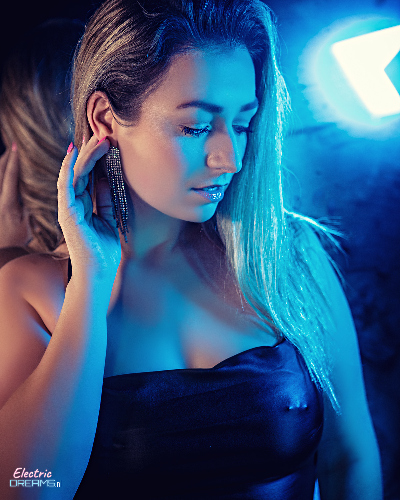
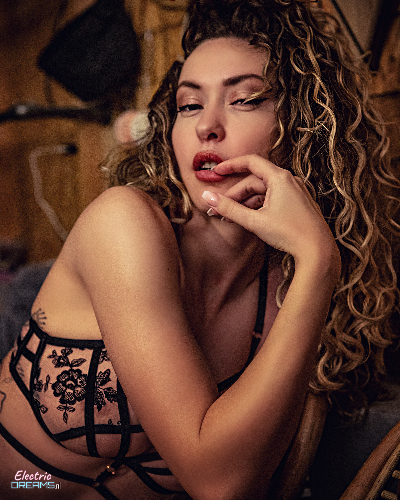
- Facial Expression:** A model's gaze is powerful. Soften your eyes, allow your lips to curve gently, and practice various expressions—joy, curiosity, contemplation—to convey different emotions.
- Breath Control:** Deep, slow breaths can calm nerves and encourage fluid movement. Try holding your breath briefly during certain poses to create tension and contrast.
Photographer's Eye: Capturing the Essence of Pose
Photographers play a crucial role in guiding models into poses that reveal their beauty and character. Your understanding of human anatomy, movement, and emotional expression can elevate a photograph from ordinary to extraordinary.
Begin by studying the model's features and personality. What makes them unique? How does their posture naturally reflect their energy? Use lighting strategically to accentuate the curves and lines of the body, creating depth and dimension.
- Composition:** Frame the model thoughtfully. Use the rule of thirds to position the subject off-center for a more dynamic image. Experiment with negative space to highlight the model's form.
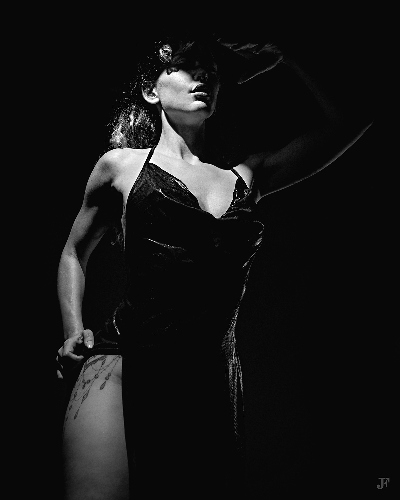
- Lighting:** Soft, diffused light can create a romantic atmosphere, while directional light can add drama and emphasis to specific body parts.
- Props and Environment:** Incorporate props that complement the model's personality or the theme of the shoot. A natural setting can ground the model, while a studio backdrop allows for controlled lighting and composition.
Exploring Different Aesthetic Styles
The world of modeling and photography is diverse, encompassing various aesthetic styles from classical to avant-garde. Each style requires a unique approach to posing.
For classical portraits, focus on symmetry and balance. Models often adopt formal poses with hands gently clasped, eyes looking directly at the camera, and a subtle, composed expression.
In fashion photography, poses are more dynamic and stylized. Models may strike bold, exaggerated stances—arms raised, legs crossed, or bodies twisted—to showcase clothing and movement.
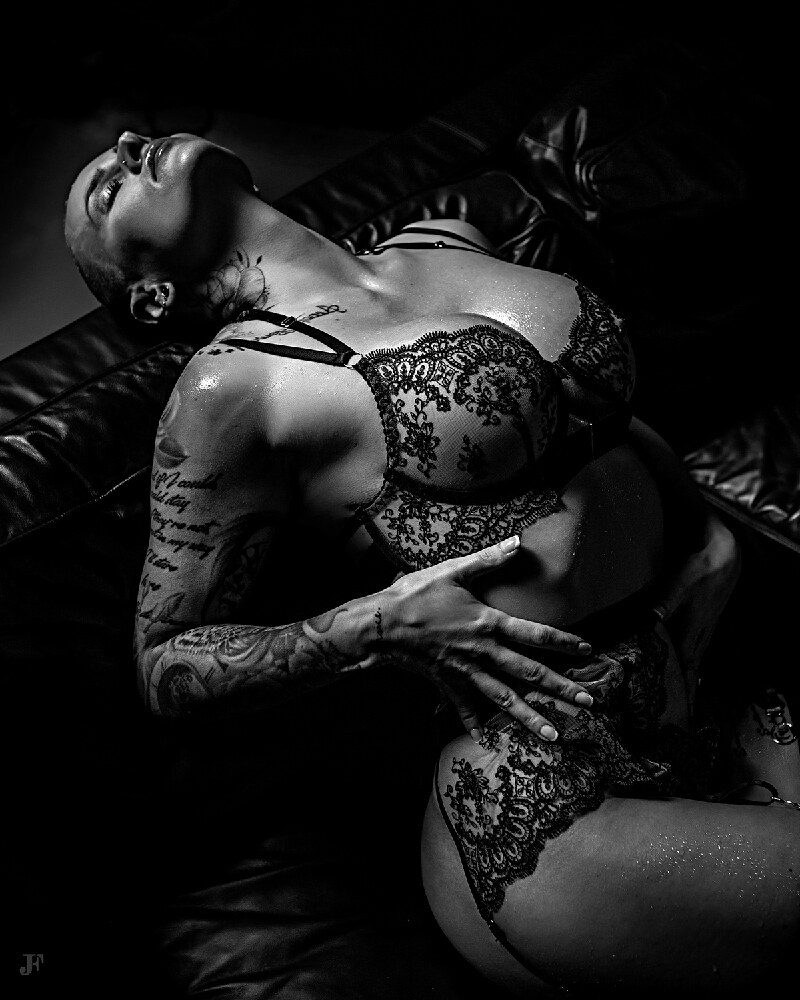
For artistic photography, prioritize emotional expression over traditional beauty standards. Poses may be unconventional, abstract, or even provocative, pushing the boundaries of conventional modeling.
Building a Posed Portfolio: A Model's Guide
Creating a diverse portfolio is essential for models seeking to showcase their range and versatility. Aim to include a variety of poses that highlight different aspects of your abilities:
- Formal portraits
- Fashion-forward, editorial styles
- Natural, candid poses
- Nude photography (if applicable and appropriate)
- Group shots with other models
Each pose in your portfolio should tell a story. Consider themes such as emotion, movement, or form to create cohesion throughout your collection.
The Photographer's Role in Pose Development
Photographers often collaborate with models to develop unique poses that highlight their strengths. This collaborative process is key to creating truly compelling images.
Begin with a discussion about the model's comfort level and preferences. Then, explore various poses together, adapting based on the model's natural tendencies and the desired outcome. Pay attention to subtle details—the tilt of the head, the placement of a hand, the direction of the gaze—as these can significantly impact the final image.
Don't be afraid to experiment. Try unconventional poses, mirror images, or poses inspired by art history. The key is to maintain a balance between technical precision and emotional authenticity.
Overcoming Challenges: Navigating the Modeling Process
Both models and photographers may face challenges in the posing process. Models might struggle with self-doubt or discomfort in certain poses. Photographers may encounter technical issues or creative blocks.
To overcome these challenges, foster a supportive environment. Models should remember that posing is a skill that develops over time. Encourage experimentation and self-compassion. Photographers should view challenges as opportunities to refine their craft and develop their unique style.
The Final Touch: Editing and Refinement
After capturing images, the editing process plays a crucial role in finalizing the pose. Use editing software to adjust lighting, contrast, and color to enhance the pose's impact. Crop images to improve composition, and selectively sharpen or blur areas to direct the viewer's attention.
Remember, editing should enhance the natural beauty of the model and the authenticity of the pose, not completely transform it. The goal is to capture the essence of the moment and the emotion behind the pose.
Conclusion: Embracing the Art of Posing
Mastering the art of posing is a journey that requires patience, practice, and a deep understanding of human form and emotion. Whether you're a model seeking to express your unique beauty or a photographer aiming to capture that essence, the process should be approached with a sense of artistry and reverence for the human body.
By embracing the sensuality and elegance of the human form, and focusing on the emotional depth that poses can convey, both models and photographers can create images that resonate with viewers long after the camera has stopped rolling.