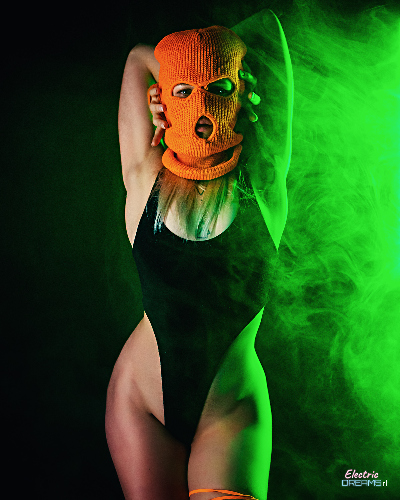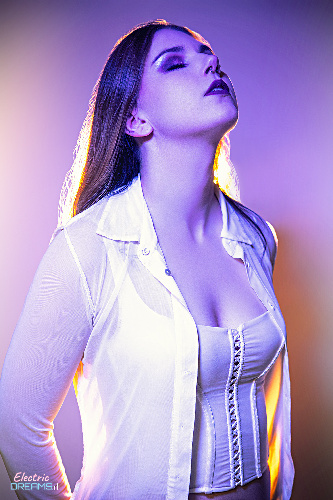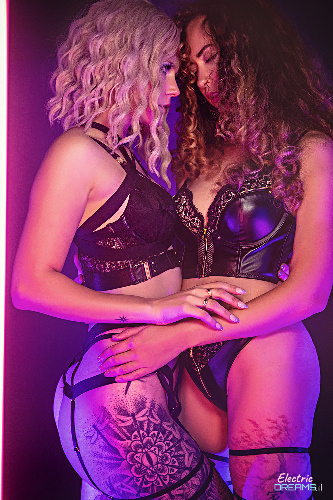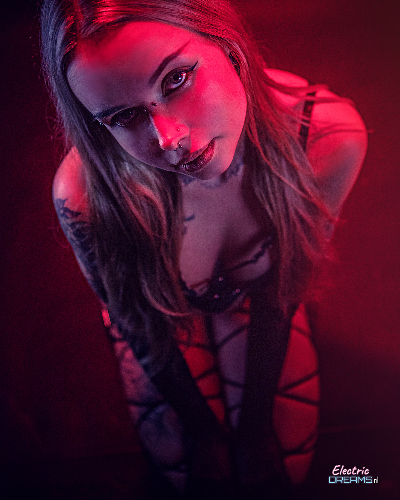
Working with Alternative Models
Alternative models are not simply a subset of conventional beauty standards; they represent a dynamic and evolving spectrum of human expression. These individuals challenge traditional norms, embodying a diverse array of features, body types, and backgrounds that reflect the rich tapestry of our global society.
In today's creative landscape, working with alternative models requires an open mind and a deep appreciation for uniqueness. Their presence in fashion, art, and advertising has transformed industries, pushing boundaries and expanding our understanding of beauty and representation.
- Embracing Diversity: Alternative models bring a wealth of experiences and perspectives to creative projects. Their diverse backgrounds contribute to more authentic and inclusive storytelling.
- Reimagining Aesthetics: These models redefine what is considered attractive, inspiring new trends and challenging long-standing perceptions of beauty.
- Breaking Barriers: By showcasing models outside traditional norms, creators open doors to broader audiences and foster greater acceptance of difference.
The process of working with alternative models often begins with a careful selection of the right projects. It requires a discerning eye to identify opportunities that align with both the model's unique qualities and the creative vision of the project.
When scouting for alternative models, it's essential to look beyond surface-level appearances. Characteristics such as confidence, charisma, and originality often outweigh physical attributes. Many alternative models have developed a distinct personal style that sets them apart in the industry.
Collaborating with these models involves a delicate balance between respecting their individuality and guiding them towards a cohesive creative outcome. The relationship between model and creator should be built on trust and mutual admiration, allowing for genuine artistic expression.
"The best work with alternative models is often the result of shared creative energy, where the model's uniqueness becomes an integral part of the artistic expression."
Working with alternative models also requires adapting to new challenges and perspectives. Creators must be open to learning about the model's experiences, cultural background, and personal story. This mutual exchange enriches the entire creative process.
In fashion photography, alternative models often transform the way we see clothing and style. Their unique features and body types challenge conventional silhouettes, leading to innovative ways of presenting garments and exploring fashion concepts.
Artistic collaborations with alternative models can be particularly rewarding. Painters, sculptors, and photographers find new inspiration in their unconventional beauty. The interplay between the model's physical presence and the artistic medium creates a fascinating dialogue between form and expression.
In advertising, alternative models contribute to more authentic brand narratives. They help create campaigns that resonate with a wider audience, promoting diversity and inclusion while still achieving commercial goals.
- Building a Portfolio: Alternative models often curate portfolios that highlight their versatility and range, showcasing their ability to adapt to different creative directions.
- Networking and Community: The alternative modeling community is a tight-knit network that supports each other's work and helps promote diversity in the industry.
- Personal Branding: Alternative models often develop strong personal brands that reflect their unique identities, making them more than just subjects but co-creators in their projects.
As the industry evolves, working with alternative models becomes increasingly important. It's not just about representation, but about expanding the very notion of what art can be. These models bring a fresh perspective to every project, challenging creators to think beyond conventional boundaries.
Success in this field requires patience, creativity, and a genuine appreciation for difference. It's about seeing beyond the surface to recognize the depth and complexity that alternative models bring to every project they are a part of.
As we move forward, the role of alternative models will continue to grow in importance. They are not just participants in creative projects; they are catalysts for change, pushing us to expand our definitions of beauty, talent, and artistic expression.
Working with alternative models is not merely about creating images; it's about building a world where diversity is celebrated, where uniqueness is valued, and where creativity knows no limits.