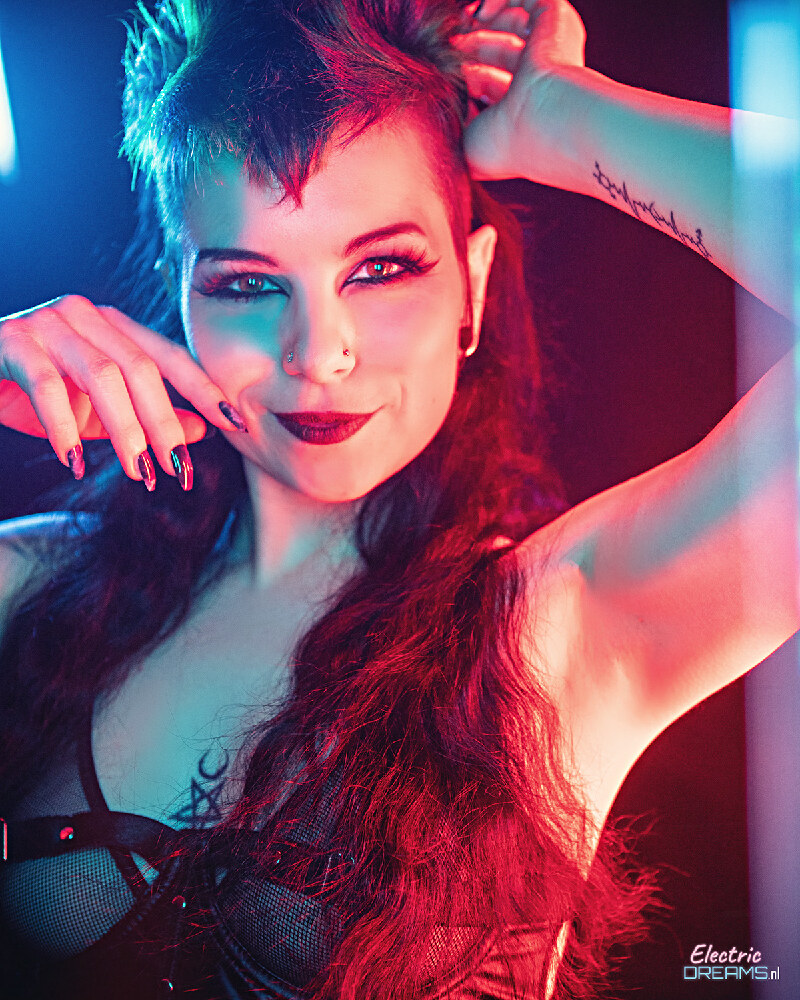
In a world obsessed with flawless facades and rigid beauty ideals, authenticity emerges as a quiet revolution. It’s not about rejecting the allure of conventional standards altogether, but rather about reclaiming the raw, unvarnished essence of beauty that lies beneath the surface.
The Illusion of Perfection
Conventional beauty standards have long dictated narrow ideals: the “perfect” figure, the “ideal” skin tone, the “right” facial features. These standards, often perpetuated by media and advertising, have led to widespread dissatisfaction and self-objectification. The pursuit of these ideals has resulted in plastic surgeries, dieting obsessions, and a constant battle against the mirror.
Yet, the truth is that no one is truly “perfect.” Our bodies are complex, evolving, and beautiful in their imperfections. The subtle asymmetry of a face, the texture of our skin, the way our hair falls – these are not flaws to be hidden, but features to be celebrated.
Beauty as a Reflection of the Soul
Authentic beauty transcends physical appearance. It lies in the expression of one’s true self – the confidence to embrace all aspects of who we are. It’s the twinkle in your eye when you laugh, the way your posture changes when you’re at ease, the gentle curve of your smile.
When we prioritize authenticity, we begin to see beauty in the nuances of human experience. The strength in a woman’s gaze when she faces adversity, the compassion in a man’s expression when he helps others – these are the markers of true beauty that no standard can measure.
The Power of Individuality
Each person possesses a unique beauty that cannot be replicated or standardized. A woman with deep laugh lines radiates warmth and wisdom. A man with a robust jawline exudes strength and resilience. A person with a diverse skin tone showcases the richness of human heritage.
By embracing our individuality, we reject the notion that beauty must conform to a single mold. Instead, we recognize that beauty is a spectrum – a kaleidoscope of colors, shapes, and textures that reflect the diversity of our world.
Consider the beauty of a sunburn – it’s not conventionally attractive, yet it tells a story of passion, vulnerability, and life. Or the beauty of an aging face – it’s etched with wisdom, resilience, and a lifetime of experiences.
Authenticity as a Form of Liberation
Choosing authenticity over conformity is an act of liberation. It’s the freedom to present yourself without apology, to express your truth without fear of judgment. This liberation extends beyond physical appearance to encompass all aspects of life – our thoughts, our emotions, our relationships.
When we stop trying to meet external standards, we free ourselves to cultivate inner beauty – the kind that comes from self-awareness, compassion, and integrity. This inner beauty radiates outward, making us more magnetic, more attractive, and more alive.
The Art of Self-Acceptance
Self-acceptance is not about passivity or resignation to one’s flaws. It’s an active process of recognizing, understanding, and embracing every aspect of ourselves – the parts we love and the parts we find challenging.
It’s about understanding that our worth is not defined by our appearance but by our essence – our character, our kindness, our creativity, our ability to love and be loved. When we internalize this truth, we naturally exude a confidence that is far more attractive than any superficial standard.
Reimagining Beauty Through Art
Art has always been a powerful medium for redefining beauty. From the diverse representations in Renaissance paintings to the contemporary portraits that celebrate all forms of human beauty, art has challenged conventional standards and expanded our understanding of what beauty can be.
Today, artists continue to push boundaries – creating installations that celebrate the beauty of aging, portraits that showcase diverse skin tones, sculptures that honor unconventional body shapes. These works remind us that beauty is not about uniformity but about the richness of human experience.
Building a More Inclusive World
By embracing authenticity and challenging conventional beauty standards, we contribute to a more inclusive society. When we celebrate diverse forms of beauty, we pave the way for greater acceptance and appreciation of all people, regardless of their appearance.
Children learn from what they see. When they are exposed to a variety of beautiful people, they develop a broader understanding of what it means to be beautiful. This shift in perception can lead to a more compassionate and inclusive world where everyone feels valued and respected.
The Beauty of Imperfection
Perhaps one of the most profound lessons of authenticity is the acceptance of imperfection. No one is without flaws, and that’s okay. Our scars, our blemishes, our imperfections – these are what make us human.
When we stop striving for perfection, we open ourselves to the beauty of the present moment. We appreciate the natural aging process, the changing seasons of life, the evolution of our bodies. We learn to find beauty in the process, not just the outcome.
Conclusion
In a world that often measures worth by appearance, authenticity becomes a radical act of self-love and self-acceptance. It’s not about rejecting beauty standards altogether but about recognizing that true beauty lies in the courage to be oneself – fully, completely, and unapologetically.
By embracing authenticity, we not only enhance our own lives but contribute to a more beautiful, diverse, and compassionate world. The next time you look in the mirror, remember: your truest beauty lies not in conforming to someone else’s standards, but in expressing your unique, unvarnished self.