The Art of Shallow Depth of Field
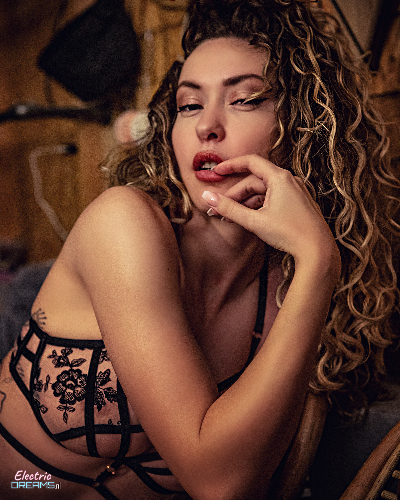
One of the most celebrated qualities of portrait lenses is their ability to create a shallow depth of field, allowing photographers to isolate subjects from their surroundings. This effect, often achieved through wide apertures (such as f/1.4, f/1.8, or f/2.8), creates a dreamy, ethereal quality that draws the viewer's eye directly to the subject's face.
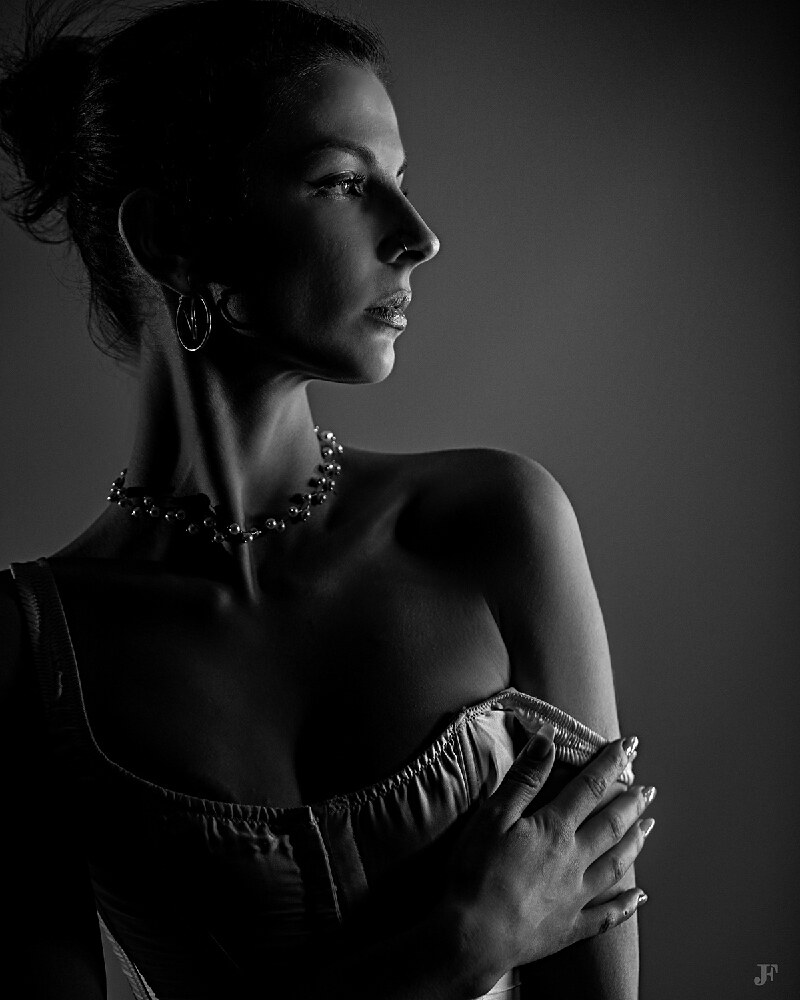
These lenses blur the background just enough to suggest space without overwhelming the subject, creating a sense of intimacy that can be both captivating and revealing. For fine art portraits, this selective focus technique can highlight the subtle textures of skin, the delicate play of light on facial features, and the emotional depth conveyed through a subject's gaze.
Prime Lenses: The Quintessence of Portraiture
Prime lenses, or fixed focal length lenses, are often considered the gold standard for portrait photography. Their optical design is typically optimized for a single focal length, resulting in superior image quality, wider apertures, and sharper results compared to zoom lenses.
Some of the most revered prime lenses for portrait work include:
- 50mm f/1.4: Often referred to as the "nifty fifty," this lens offers a natural field of view and exceptional sharpness, making it a favorite among portrait photographers.
- 85mm f/1.4: Known for its flattering perspective and excellent background blur, this lens is perfect for capturing intimate, close-up portraits.
- 100mm f/2.8: With its longer focal length, this lens creates a compressed perspective that is ideal for isolating subjects and capturing subtle expressions.
Zoom Lenses: Versatility in Portrait Photography
While prime lenses excel in specific situations, zoom lenses offer the advantage of flexibility, allowing photographers to adapt to various portrait scenarios without changing lenses.
For fine art portrait work, consider:
- 85mm f/1.8: A budget-friendly option that still delivers impressive image quality and a shallow depth of field.
- 135mm f/2: A longer focal length that creates a compressed perspective and exceptional background blur.
- 100-400mm f/4.5-6.3: A versatile zoom range that covers everything from headshots to full-body portraits.
The Influence of Focal Length on Composition
The choice of focal length significantly impacts both the perspective and composition of your portraits. Shorter focal lengths (e.g., 35mm or 50mm) offer a natural field of view that closely mimics human vision, while longer focal lengths (e.g., 85mm or 100mm) create a more compressed perspective that can flatter facial features.
Consider the following:
- 85mm: Ideal for medium close-up portraits, offering a flattering perspective without distortion.
- 100mm: Great for tighter close-ups, emphasizing facial expressions and details.
- 135mm: Perfect for capturing intimate, eye-level portraits with a very compressed perspective.
Optimizing Aperture for Artistic Expression
The aperture setting not only affects the depth of field but also influences the overall mood and atmosphere of your portraits. Wider apertures (lower f-numbers) create more background blur, allowing you to isolate your subject in a way that draws attention to their emotional state.
Consider experimenting with aperture settings to achieve different effects:
- f/1.4 or f/1.8: Extreme background blur, ideal for creating a dreamy, ethereal quality.
- f/2.8: A balance between background separation and maintaining some context.
- f/4: Less blur, allowing more of the background to be visible while still maintaining a clear subject.
Choosing the Right Lens for Your Artistic Vision
Ultimately, the best lens for fine art portrait photography is the one that aligns with your artistic vision and technical requirements. Consider the following factors:
- Subject matter: Are you photographing close-up facial expressions or full-body portraits?
- Working environment: Do you need versatility in changing locations or a fixed setup?
- Personal style: Do you prefer the natural perspective of shorter focal lengths or the flattering compression of longer ones?
Don't be afraid to experiment with different lenses to discover how they influence your creative process and the final result. The right lens can transform a simple portrait into a powerful piece of art that captures not just the physical appearance of your subject, but their inner world and emotional essence.
Remember, in fine art portrait photography, it's not just about the equipment, but how you use it to tell a story, evoke emotion, and reveal the unique beauty of your subject. The lens is merely a tool in your hands; it's your vision and intention that create the magic.