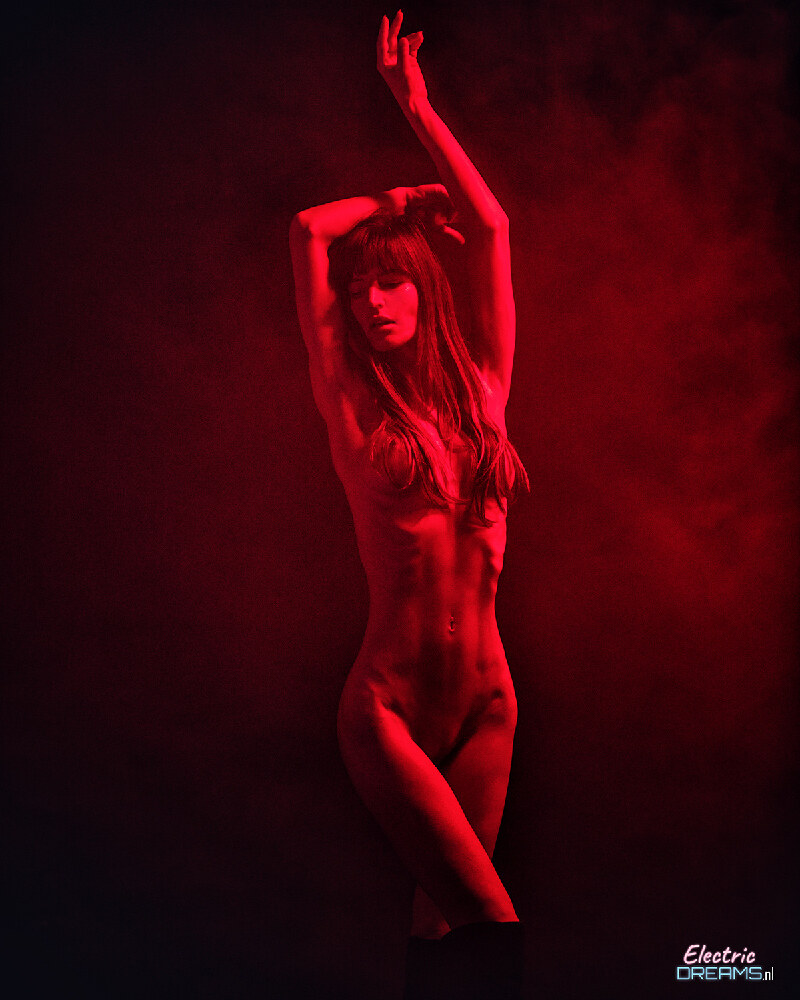
Nude photography has long been a subject of fascination and controversy, but within the realm of art, it takes on a completely different dimension. Artistic nude photography is not merely about capturing the physical form; it is a medium through which emotion, vulnerability, and human beauty are explored and celebrated.
The Definition of Artistic Nude Photography
Artistic nude photography is the practice of photographing the human body without clothing, with the primary goal of creating a work of art rather than exploiting or objectifying. Unlike commercial or explicit photography, which often focuses on sexuality, artistic nude photography seeks to convey a deeper understanding of the human condition. It can be deeply personal, capturing the photographer's own body or those of their subjects, or it can be a collective exploration of the human form.
Historical Context
The roots of artistic nude photography can be traced back to the early days of photography itself. Pioneers like Julia Margaret Cameron and Man Ray experimented with the human form, creating images that pushed the boundaries of traditional photography and challenged societal norms. These early artists laid the groundwork for what would become a respected and important genre in visual arts.
Key Characteristics of Artistic Nude Photography
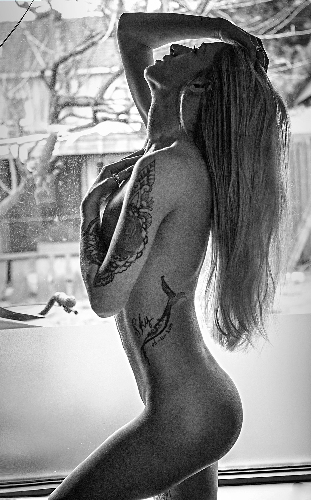
- Emphasis on Form and Line: Artistic nude photography often focuses on the subtle details of the human form – the curve of a shoulder, the definition of a muscle, the flow of a limb. These elements are captured with precision, allowing viewers to appreciate the beauty of the human body in its natural state.
- Emotional Depth: Many artistic nude photographs convey a strong emotional resonance. This can be achieved through the subject's pose, expression, or the overall composition of the image. The photographer may aim to capture a moment of vulnerability, strength, or transformation.
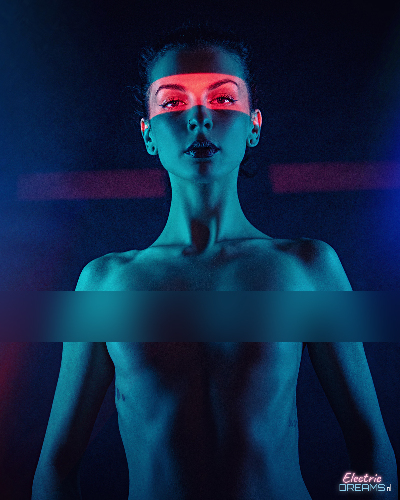
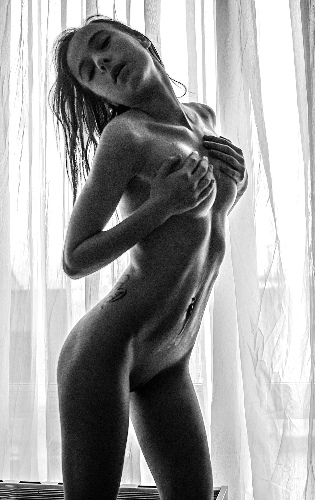
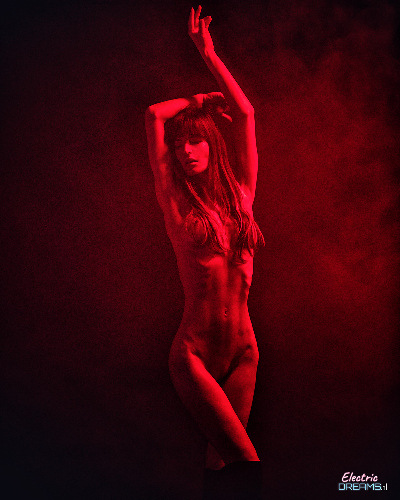
- Lighting and Composition: Lighting plays a crucial role in artistic nude photography. Soft, diffused light can create a gentle, ethereal quality, while harsher lighting might be used to emphasize texture or create dramatic contrasts. Composition is equally important, with artists often using framing, depth of field, and negative space to enhance the impact of the photograph.
- Context and Meaning: Unlike purely documentary photography, artistic nude images often carry symbolic or metaphorical meaning. The context of the photograph – whether it's a single figure against a stark background or a group of people in a complex arrangement – adds layers of interpretation for the viewer.
Techniques and Approaches
Artistic nude photography encompasses a wide range of techniques and approaches:
- Studio Photography: Many artists work in controlled environments, allowing them to manipulate lighting, backgrounds, and posing to achieve their desired aesthetic.
- Portrait Photography: This approach combines nude photography with portrait techniques, focusing on the subject's personality and emotional state.
- Environmental Photography: In this approach, the nude subject is photographed in a natural setting, often integrating the body with its surroundings to create a harmonious composition.
- Conceptual Photography: Some artists use nude photography to explore broader themes, such as identity, society, or the human condition. These photographs may include props, unusual settings, or symbolic elements to convey their message.
The Role of the Photographer
The photographer in artistic nude photography plays a crucial role as both artist and collaborator. They must balance their vision with the comfort and boundaries of their subjects. Building trust and creating a safe environment for the subject is paramount. The photographer's ability to guide the model through poses and expressions, while respecting their individuality and consent, is essential to creating authentic and meaningful images.
Artistic Nude Photography and Society
Throughout history, artistic nude photography has faced censorship and controversy. Societal norms and taboos around the human body have often clashed with artistic expression. However, these challenges have not hindered the genre's growth; in fact, they have often fueled its evolution. Artistic nude photography has become a powerful tool for challenging perceptions of beauty, exploring identity, and celebrating the diversity of the human form.
Examples and Influences
Many artists have contributed significantly to the field of artistic nude photography:
- Dorothea Lange: While primarily known for her documentary work, Lange's approach to capturing the human form with empathy and dignity has influenced many nude photographers.
- Robert Mapplethorpe: Known for his provocative and meticulously composed nude photographs, Mapplethorpe pushed the boundaries of artistic expression and challenged societal norms around sexuality.
- Cindy Sherman: Sherman's self-portraits often explore themes of identity and gender, using her body as a canvas for artistic expression.
- Nick Knight: A contemporary photographer known for his innovative techniques and artistic vision, Knight often pushes the boundaries of traditional nude photography with his use of lighting and digital manipulation.
Conclusion
Artistic nude photography is a complex and multifaceted genre that transcends mere representation. It is a profound exploration of the human form and condition, a medium through which artists can express their deepest thoughts and emotions. By elevating the human body to the status of an artistic subject, nude photography challenges viewers to see the beauty in vulnerability, the strength in simplicity, and the complexity in human form. In doing so, it contributes to our understanding of ourselves and each other, creating works that are both timeless and constantly evolving.