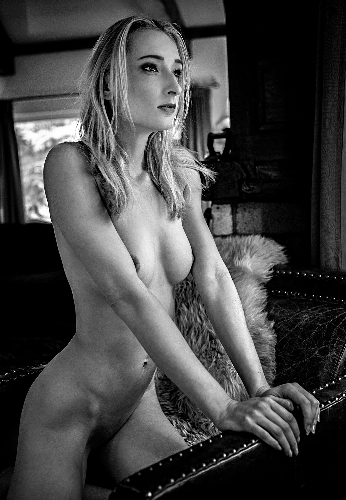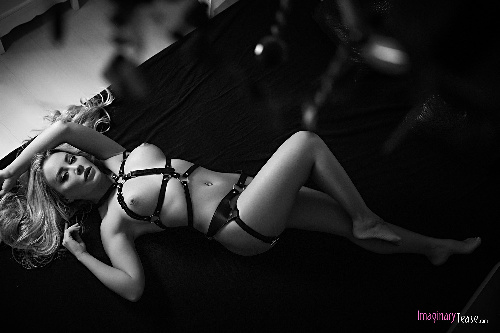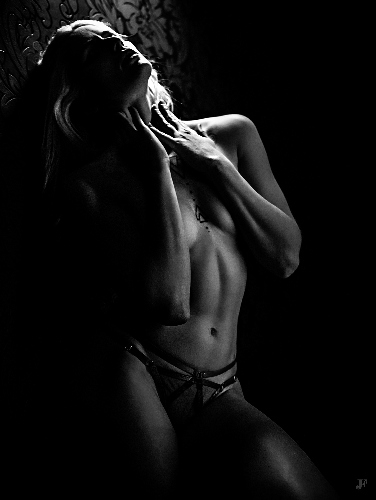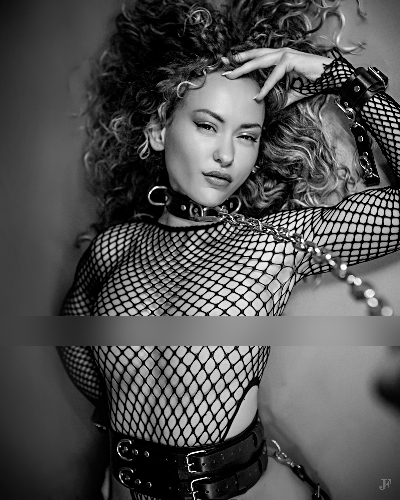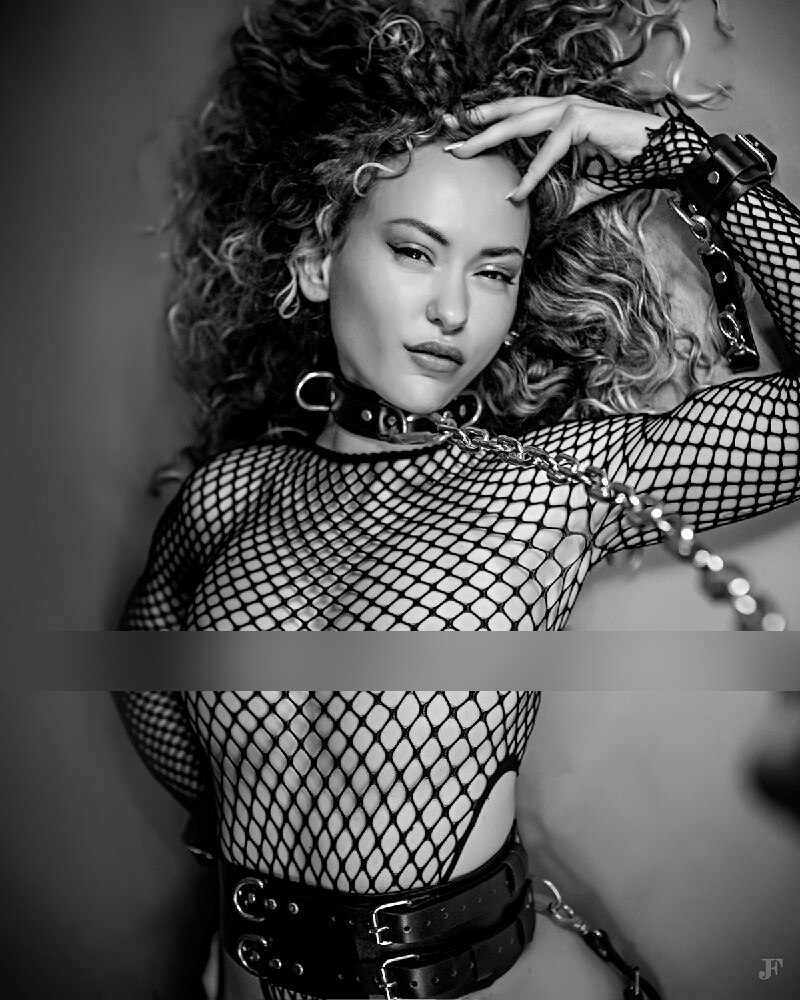
There is an inherent beauty in the human form, a raw and unfiltered expression of artistry that transcends mere photography. A great fine art nude photography shoot goes beyond capturing physical appearance; it's about storytelling, emotion, and technical mastery. In this exploration, we delve into the elements that elevate a nude photograph from a simple image to a profound work of art.
The Model: Beyond the Skin
At the heart of any great nude shoot is the model. But it's not merely about finding someone with an attractive physique. It's about finding a person who embodies the essence of the artistic vision. A model should be comfortable with their body, understanding that vulnerability and confidence are key to the shoot's success. This comfort allows the model to be present, to connect with the photographer, and to truly express themselves.
The model's personality and energy can greatly influence the outcome. A model who is open, curious, and willing to explore different poses and emotions can help create a more dynamic and engaging photograph. It's about finding a synergy between the model's energy and the photographer's vision.
The Photographer: Vision and Skill
The photographer's role is equally crucial. They must have a clear artistic vision and the technical skill to bring it to life. This involves understanding lighting, composition, and post-processing techniques to enhance the natural beauty of the subject.
Lighting, in particular, plays a pivotal role in nude photography. Soft, diffused light can create a gentle and ethereal atmosphere, while more directional lighting can add depth and dimension to the form. The photographer must know how to use light to sculpt the body, highlight its curves, and emphasize its textures.
Composition: Framing the Narrative
Composition in nude photography is about more than just placing the subject in the frame. It's about creating a visual narrative. The photographer must consider how the subject interacts with the environment, how the body is positioned within the frame, and how negative space is used to enhance the subject.
Consider the rule of thirds, leading lines, and framing techniques. These compositional tools can add depth and interest to the photograph, guiding the viewer's eye through the image and creating a more engaging experience. The background and setting also play a significant role in setting the mood and telling the story.
Emotion and Expression: The Soul of the Image
A truly great nude photograph captures emotion. It's about conveying the subject's mood, their personality, and their connection to the moment. This requires patience and a willingness to explore different poses and expressions.
It's not just about the final image but also the process leading up to it. The photographer should create a comfortable environment where the model feels safe to express themselves freely. This openness allows for more authentic and powerful photographs that resonate with viewers.
Technical Mastery: Precision and Detail
While the artistic elements are crucial, technical precision cannot be overlooked. This includes attention to detail such as skin texture, hair, and even small objects or props that might be included in the scene. High-resolution photography allows for these details to be captured, adding to the overall quality of the image.
Color grading and post-processing should enhance the natural beauty of the subject rather than mask it. A skilled photographer will know when to apply filters and adjustments to complement the image's mood and the subject's features.
The Setting: Context and Story
The environment in which the nude photography is shot can greatly influence the final result. A studio setting offers control over lighting and background, but it can sometimes lack the organic feel that an outdoor setting provides.
Natural environments, such as beaches, forests, or urban landscapes, can add context and story to the photograph. These settings can interact with the subject's form in interesting ways, creating a dialogue between the human body and its surroundings.
Consent and Respect: The Ethical Foundation
It's essential to recognize that nude photography is an art form built on consent and respect. The model's comfort, safety, and well-being should always be prioritized. This ethical foundation allows for a more authentic and powerful expression of the human form in photography.
Final Thoughts: The Art of Authenticity
In conclusion, a great fine art nude photography shoot is the result of many elements coming together: a skilled photographer with a clear vision, a confident and expressive model, thoughtful composition, technical mastery, and an ethically sound approach. It's about capturing the human form in its most authentic state, allowing viewers to appreciate the beauty of the body while recognizing its complexity and humanity.
Ultimately, it's about creating images that resonate with viewers on an emotional level, challenging them to look beyond the surface and see the artistry and humanity in every curve, line, and shadow.